
Trustreviewsx may earn a commission when you buy through links on this page, at no extra cost to you. This does not affect our ratings.
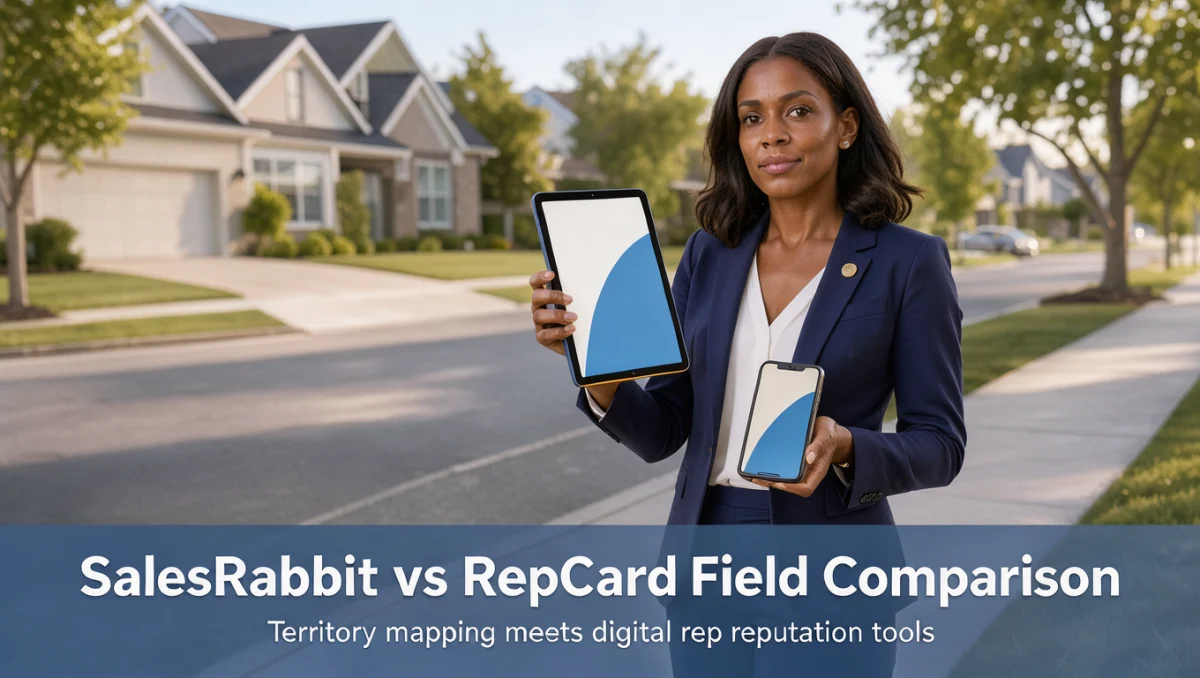
When weighing salesrabbit vs repcard, it helps to recognize that these tools were built around two different ideas of field selling. SalesRabbit centers on territory mapping and canvassing oversight, while RepCard highlights personal branding, contact sharing and collecting customer reviews. Knowing which operational priority matches your team keeps you from paying for software you will not fully use.
Door-to-door organizations often wonder whether structured territory control or a strong personal digital identity will lift their close rates more. Our evaluation separates the need for administrative tracking from tools that support direct prospect interaction. The right platform depends on whether your business values disciplined route coverage or stronger relationships built through a digital professional presence.
Quick verdict: with an overall score of 7.9/10, the decision hinges on how your operation is run. SalesRabbit suits organizations that need structured territory assignment and accountability on routes. RepCard fits reps who focus on sharing digital contact details and generating reviews. Teams that want full field logistics alongside automated review management may find that neither platform handles every task on its own.
| Evaluation Dimension | Summary Assessment |
|---|---|
| Trustreviewsx score | 7.9/10 |
| Best for | Outside sales organizations balancing canvassing tracking with customer trust building |
| Not ideal for | Inside sales teams that work entirely through phone calls and digital outreach |
| Key strengths | Canvassing territory organization and digital identity presentation for field agents |
| What to check before buying | Seat minimums, administrative permissions, contract length, and additional service fees |
1. How Trustreviewsx Reviewed SalesRabbit vs RepCard
This review examines what SalesRabbit and RepCard are designed to do, who they serve, and how they compare with similar tools. We applied the seven Trustreviewsx criteria: features, ease of use, pricing and value, integrations, audience fit, support and competitive position. Plans, prices and limits change frequently, so we flag what to confirm on each official website before purchasing. This article was researched and drafted with AI assistance, then reviewed and edited by the Trustreviewsx Editorial Team.
2. Short Answer: Core Differences Between the Two Platforms

The main distinction in any salesrabbit vs repcard comparison comes down to how each product approaches field engagement. SalesRabbit is built around spatial organization. Managers can assign geographic areas, drop pins on properties, record lead statuses and monitor neighborhood coverage. Its purpose is administrative clarity across physical territories.
RepCard starts from personal credibility and contact exchange. It gives individual representatives a digital identity, direct messaging options and ways to collect verified buyer testimonials right after an interaction. Rather than governing territories, it prioritizes how the rep is presented and how engagement continues after the first contact.
| Tool | Best for | Core strength | Consider if |
|---|---|---|---|
| SalesRabbit | Teams needing neighborhood mapping | Territory assignment and lead disposition tracking | Your leadership requires structured route accountability |
| RepCard | Reps seeking personal credibility | Digital contact sharing and customer feedback collection | Your sales process relies on word of mouth and referrals |
3. Comparison by Trustreviewsx Criteria
3.1. Features
Territory management software and field engagement apps address different moments in the sales day. SalesRabbit concentrates on canvassing, offering visual maps, property status updates and tracking tools that let managers hand zones to specific reps. These functions solve the practical problem of avoiding repeat visits and overlapping coverage in residential neighborhoods.
RepCard focuses on the moment of contact and the follow-up that comes after. Its toolkit revolves around generating digital business cards, capturing lead contact details and sending automated prompts that invite satisfied homeowners to leave reviews. When assessing features in the sales software category, buyers should decide whether spatial tracking or customer trust assets address their most pressing bottleneck.
3.2. Ease of Use
Field tools need to be quick to adopt, since outside reps spend their working hours walking streets rather than sitting at desks. Territory-mapping platforms ask reps to log statuses, color-code properties and navigate map views while standing on a doorstep. That requires consistent daily discipline and clear administrative guidelines.
Contact exchange tools usually have a shorter learning curve for individual reps. Sharing a digital business card or sending a review request takes fewer steps than maintaining structured territory maps. Even so, setting team-wide protocols for following up on captured digital contacts still calls for ongoing supervision.
3.3. Pricing and Value
Field sales software vendors typically use subscription models with tiers based on user count or administrative depth. To judge total value, buyers should review the official SalesRabbit pricing page to confirm user seat minimums and onboarding requirements. Teams should also check the official RepCard pricing page to see whether contact limits or messaging allowances apply.
Look beyond the headline subscription rate. Many field software vendors charge setup fees, sell add-on modules at extra cost or tie agreements to annual commitments. Calculating your real cost means weighing monthly recurring charges against the time saved through automated canvassing logs or the lift from increased referrals.
3.4. Integrations
Connecting field software with a central customer relationship management system keeps data flowing accurately between outside teams and back-office staff. Field management platforms generally need to sync property statuses, customer notes and contact details with corporate databases so records stay current without manual double entry.
Buyers should confirm on each vendor's official website how customer data export and third-party CRM synchronization work. Some field apps offer direct connections, while others rely on webhook triggers or middleware. Checking the official documentation helps you avoid unexpected development costs during rollout.
3.5. Audience Fit
SalesRabbit suits established canvassing operations, such as solar installers, roofing contractors, home security providers and pest control businesses that manage dozens of reps across defined metro territories. These companies need clear visibility into street-level activity to prevent operational friction.
RepCard fits individual agents, small sales pods and referral-driven teams where the reputation of the rep drives the customer's decision. Independent contractors and small home improvement businesses benefit from giving homeowners verifiable credentials and an immediate review link, particularly when people feel hesitant about opening the door to an unfamiliar rep.
3.6. Support
Outside sales teams run into software issues during irregular field hours, including evenings and weekends when homeowners are most available. Before selecting software, buyers should confirm the support channels, response times and weekend coverage listed on each official vendor website.
Self-service documentation, video training libraries and guided onboarding resources matter a great deal for teams with high rep turnover. Prospective customers should check whether dedicated account managers or onboarding help require a premium support package or extra setup fees.
3.7. Competitive Position
In the outside sales landscape, SalesRabbit competes directly with dedicated territory mapping solutions such as SPOTIO. Its position rests on geographic canvassing logistics and administrative tracking for medium to large field crews.
RepCard competes alongside digital business card tools such as Blinq and review management platforms such as Birdeye. Its distinct standing comes from tailoring contact exchange and review solicitation to the habits and objections faced by direct-to-consumer field sellers.
4. How to Decide Between SalesRabbit and RepCard

Choosing between these platforms means evaluating your current operational pain points. Independent assessments published by Trust Reviews X stress matching software architecture to team workflows rather than picking tools based on feature lists alone.
- Identify your main management challenge: if reps knock on doors that colleagues already visited, territory mapping software should be the priority.
- Assess customer objection patterns: if prospects hesitate because they lack trust or do not know your company, digital cards and verified review tools deliver immediate value.
- Review administrative capacity: territory tools need continuous manager oversight, whereas contact sharing tools depend more on rep initiative.
- Calculate team size: larger teams gain a lot from geographic control, while smaller teams often see faster traction from reputation building.
5. Frequently Asked Questions
What operational problem does territory mapping software solve?
Territory mapping software prevents overlapping territories and ensures thorough neighborhood coverage. It lets field managers divide sales areas among team members, track which homes have been visited and record lead statuses. This systematic approach keeps reps from re-canvassing households they recently contacted, supporting professionalism across direct sales operations.
What should field teams budget for besides the base subscription fee?
Buyers should account for possible onboarding fees, data migration costs and optional add-on modules. Many field sales platforms charge extra for advanced reporting, automated messaging allowances or administrative integrations. Reviewing the official pricing schedule for setup fees and seat minimums gives you full financial clarity before you commit.
Which team members need paid software seats on field sales platforms?
Seat allocation depends on organizational structure and each vendor's licensing rules. Some platforms require a license for every field representative, while others charge for administrative and managerial logins. Check the official plan comparison page to see whether read-only users, field supervisors and external contractors need paid seats.
How should companies evaluate the return on investment of field sales software?
Measuring return on investment means tracking gains in operational efficiency and sales conversion. Teams using territory management tools can evaluate metrics such as completed visits per hour and territory coverage rates. Teams using digital business card and review tools can monitor contact save rates, referral generation and growth in online reviews.
6. Final Verdict
| Criterion | Score /10 | Reason |
|---|---|---|
| Features | 8.5/10 | Both tools provide focused capabilities within their respective operational categories. |
| Ease of Use | 8.0/10 | Field interfaces remain straightforward, though territory maintenance requires administrative discipline. |
| Pricing and Value | 7.5/10 | Subscription value depends on team size, contract commitments and required user minimums. |
| Integrations | 7.5/10 | Buyers must confirm CRM compatibility and data syncing options on official vendor pages. |
| Audience Fit | 8.5/10 | Each platform targets distinct outside sales priorities, from canvassing to rep branding. |
| Support | 7.0/10 | Support availability during evening and weekend field hours should be verified before purchase. |
| Competitive Position | 8.0/10 | Both solutions maintain clear differentiation within the outside sales software market. |
Overall Trustreviewsx score: 7.9/10
For structured canvassing teams that need strict geographic territory management and supervisor accountability, SalesRabbit addresses the logistics directly. For sales professionals and boutique crews that want to establish credibility quickly, exchange contact details and collect customer testimonials, RepCard offers practical value. Many growing organizations eventually run both types of software to cover territory logistics and customer trust building together.
Readers with questions about field software selection are welcome to contact the Trustreviewsx editorial staff or reach our team through our official professional network channels.
See More Review Craft X