
Trustreviewsx may earn a commission when you buy through links on this page, at no extra cost to you. This does not affect our ratings.
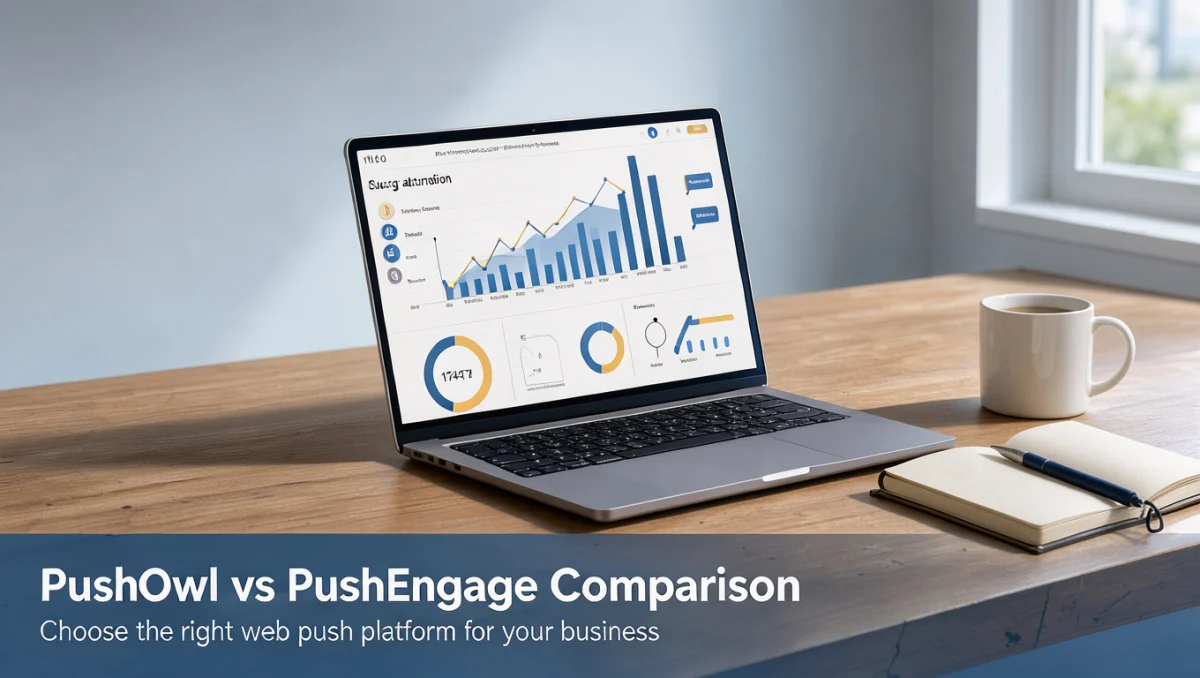
PushOwl vs PushEngage comes down to choosing between a dedicated e-commerce retention specialist and a flexible multi-industry push notification platform. Web push notification tools allow digital businesses to bring visitors back to their sites, send automated alerts, and recover abandoned browsing sessions without relying on crowded email inboxes. Choosing the right service requires matching your specific audience workflows with the core strengths of each software vendor.
Evaluating software for online operations requires clear separation between marketing automation goals and everyday operational requirements. At Trust Reviews X, we assess marketing software by looking past short-term promotional messaging and focusing on long-term workflow fit.
Short answer: Choose PushOwl if your primary objective is automated e-commerce buyer retention such as abandoned cart reminders and store alerts, or choose PushEngage if you need broad multi-platform web push campaigns across content websites and online stores. In our evaluation, PushOwl earns an overall score of 8.3/10, while PushEngage earns an overall score of 8.3/10.
| Evaluation Metric | PushOwl | PushEngage |
|---|---|---|
| Trustreviewsx score | 8.3/10 | 8.3/10 |
| Best for | Online storefronts focused on customer retention | Publishers, blogs, and multi-platform digital businesses |
| Core focus | E-commerce automation and buyer re-engagement | Broad web push campaigns and multi-site audience segmentation |
| Consider if | You prioritize automated shopping journey notifications | You run diverse web properties needing flexible push messaging |
1. How Trustreviewsx Compared PushOwl and PushEngage
This comparison looks at what PushOwl and PushEngage are built to do, who each one serves, and how to choose between them, using the seven Trustreviewsx criteria: features, ease of use, pricing and value, integrations, audience fit, support and competitive position. Plans, prices and limits change often, so we point out what to confirm on each official website before you buy. This article was researched and drafted with the help of AI tools, then reviewed and edited by the Trustreviewsx Editorial Team.
2. How PushOwl and PushEngage differ in focus

PushOwl is positioned primarily around digital commerce. The software focuses on helping online store operators turn one-time shoppers into repeat buyers through timely alerts such as cart recovery prompts, price drop notices, and transactional updates. By aligning its workflow with merchant requirements, the tool provides a concentrated path to recovering lost revenue from active shoppers.
PushEngage is built as a versatile web push notification platform serving content publishers, digital media properties, and varied web businesses alongside online stores. Its positioning emphasizes audience segmentation, scheduled broadcast messaging, and cross-industry subscriber re-engagement across multiple web domains.
3. Which one fits your situation
Understanding where each platform fits helps marketing teams prevent operational bottlenecks and unnecessary configuration work. The table below outlines common operational priorities to guide your decision when evaluating pushowl vs pushengage for your team.
| Situation | Choose PushOwl if | Choose PushEngage if |
|---|---|---|
| Running a dedicated retail storefront | You want predefined shopping recovery sequences out of the box | You prefer building custom campaign funnels from scratch |
| Managing an editorial magazine or media site | You only run a small merchandise shop attached to the site | You need consistent automated broadcasts for fresh articles |
| Operating multiple independent web properties | You prefer managing each storefront through separate e-commerce accounts | You want centralized management for distinct web domains |
| Focusing heavily on cart recovery | You prioritize native merchant workflows designed for shoppers | You are willing to map custom behavioral triggers manually |
| Needing simple campaign launches for small teams | You want quick setups focused solely on direct consumer sales | You want broader messaging options across diverse visitor types |
| Scaling general content distribution | You do not rely heavily on editorial content updates | You publish frequent editorial updates across various categories |
4. How to compare them yourself
Comparing push notification software requires testing operational routines during your initial evaluation period. Testing both tools using identical audience scenarios reveals practical differences in day-to-day execution.
4.1. Features
Examine how each vendor structures subscriber opt-in prompts, automated campaigns, and message scheduling. Verify on each official website what behavioral triggers, custom notification templates, and analytics reporting options are included in your targeted subscription tier.
4.2. Ease of use
Create a test broadcast and schedule an automated sequence in both tools. Observe how many steps are required to draft a notification, insert imagery, preview character limits, and select subscriber segments.
4.3. Pricing and value
Push notification vendors often structure subscription rates around active subscriber counts or monthly notification send volumes. Confirm on the official PushOwl and PushEngage pricing pages how subscriber thresholds and overages are calculated so your operational budget remains predictable as your audience expands.
4.4. Integrations
Confirm on each official website how the platform connects with your content management system, analytics stack, or e-commerce engine. Establishing native data flow ensures automated behavioral triggers fire without custom technical development.
4.5. Audience fit
Assess whether the software fits your marketing team structure. E-commerce merchants benefit from specialized transaction triggers, whereas digital publishers often require flexible RSS campaign distribution.
4.6. Support
Check the available documentation, onboarding resources, and support access terms on both official websites. Clear technical documentation simplifies opt-in prompt configuration and domain verification during initial setup.
4.7. Competitive position
Evaluate whether each tool maintains a clear focus that matches your primary marketing objective. Specialized tools excel in narrow retail funnels, while broader tools adapt to varied publishing environments.
5. Cost checklist for both tools

Software expenses in the E-commerce marketing category vary depending on audience growth and feature requirements. Review these items before committing to a paid contract.
| Cost item | Ask about PushOwl | Ask about PushEngage |
|---|---|---|
| Subscriber volume thresholds | Confirm subscriber count ceilings across plans on the official PushOwl pricing page | Confirm subscriber count ceilings across plans on the official PushEngage pricing page |
| Monthly notification limits | Check whether message send caps exist on your intended tier | Check whether message send caps exist on your intended tier |
| Multi-domain access | Inquire whether extra domains require separate account subscriptions | Inquire whether extra domains require separate account subscriptions |
| Automation workflow access | Verify which triggered automations are included in entry tiers | Verify which triggered automations are included in entry tiers |
| Team seat allocations | Confirm how many marketing team members can access the workspace | Confirm how many marketing team members can access the workspace |
6. How to decide
Selecting between PushOwl and PushEngage requires a structured assessment of your digital audience and daily publishing habits. Follow these steps to reach an informed choice.
- Map your primary content or commerce model to determine whether retail cart recovery or broad audience broadcast messaging drives your revenue.
- Review the official PushOwl and PushEngage websites to confirm current subscriber pricing brackets and campaign automation limits.
- Set up sample opt-in prompts on both platforms to compare how subscriber opt-in rates and permission dialogs function.
- Build one automated sequence in each tool to verify how easily your team can draft, preview, and monitor notifications.
- Check technical documentation for domain setup requirements to ensure smooth implementation on your production website.
7. Frequently asked questions
Can a business migrate subscribers between PushOwl and PushEngage?
Web push subscribers are tied to browser push credentials and domain settings. Migrating subscribers between services requires specific technical export and import procedures, so review official migration documentation from both vendors before changing platforms to avoid losing active subscribers.
Which tool fits a team managing multiple distinct websites?
Teams managing diverse web properties across blogging, media, and retail often find broader multi-site support beneficial. Check the multi-site management terms on both official websites to determine how each vendor handles domain grouping and billing across multiple URLs.
How should growing businesses budget for push notification software?
Subscription costs for push notification services generally scale with the size of your active subscriber list or message volume. Audit your monthly visitor traffic and opt-in expectations to estimate which tier you will reach after several months of steady growth.
What should non-technical marketers look for during setup?
Marketers without technical resources should evaluate the simplicity of domain verification and opt-in prompt customization. Reviewing setup documentation on the official vendor websites helps confirm whether prompt deployment requires code edits or simple plugin installation.
8. Final verdict
Both PushOwl and PushEngage deliver dependable capabilities for web push notifications, but their core designs serve distinct operational priorities. PushOwl is tailored for merchants seeking targeted customer retention, while PushEngage offers a versatile platform for multi-niche publishers and varied digital businesses.
| Criterion | PushOwl score /10 | PushEngage score /10 | Reason |
|---|---|---|---|
| Features | 8.0 | 8.5 | PushEngage covers a wider variety of multi-industry campaign types, whereas PushOwl focuses deeply on retail commerce workflows. |
| Ease of use | 9.0 | 8.0 | PushOwl provides an exceptionally straightforward setup for online store owners, while PushEngage requires slightly more configuration for multi-site setups. |
| Pricing and value | Confirm before buying | Confirm before buying | Review official pricing pages directly because rates vary based on subscriber count thresholds and sending caps. |
| Integrations | Confirm before buying | Confirm before buying | Confirm compatibility on official vendor directories to ensure native data flow with your specific web platform. |
| Audience fit | 8.5 | 8.0 | PushOwl aligns tightly with online retail storefronts, while PushEngage matches content sites, blogs, and multi-platform media teams. |
| Support | Confirm before buying | Confirm before buying | Examine support policies on both official websites to identify available help channels and documentation coverage. |
| Competitive position | 7.5 | 8.5 | PushEngage maintains strong adaptability across diverse industries, while PushOwl maintains a focused specialty in e-commerce retention. |
| Overall score | 8.3 | 8.3 | Both platforms achieve identical overall scores based on evaluated criteria, reflecting balanced strengths in their respective market niches. |
Choose PushOwl if your primary revenue source is an online store that depends on recovering lost sales and notifying shoppers about inventory changes. Choose PushEngage if you manage digital publications, corporate blogs, or varied websites requiring flexible broadcast segmentation and broad audience re-engagement.
Have a question about choosing software? Send it to the Trustreviewsx team through our contact page or follow Trustreviewsx on LinkedIn for new reviews and comparisons.