Trust Reviews X may earn a commission when you buy through links on this page, at no extra cost to you. This does not affect our ratings.
Marketing teams running paid campaigns across several networks often spend hours each week pulling figures into separate sheets. Birch Ads ad reporting offers a dedicated route to birch ads ad reporting that gathers impressions, clicks, and spend into one readable view. Our analysts assessed the platform's structure to show buyers where it fits their analytical needs in 2026.
Picking a reporting tool means understanding how campaign data syncs, how cross-channel summaries calculate return on investment, and whether custom metrics suit executive reviews. Teams that need a single source of performance truth can cut manual exports considerably. Always confirm account parameters on the official vendor site before committing budget.
Birch Ads ad reporting earns an overall score of 7.6 out of 10. It suits media managers who want unified performance metrics across several campaigns without writing custom database queries. It is less suitable for solo operators with small budgets who only need the default dashboards that individual networks already provide.
| Evaluation Metric | Summary Findings |
|---|---|
| Trustreviewsx score | 7.6 / 10 |
| Best for | Media managers and marketing teams managing active campaigns across multiple paid channels |
| Not ideal for | Occasional advertisers who rely exclusively on native single-platform ad accounts |
| Key strengths | Cross-campaign performance monitoring, ad spend consolidation, and unified visual summaries |
| What to check before buying | Confirm user limits, account connection caps, and data refresh intervals on the official website |
1. How Trustreviewsx Reviewed Birch Ads
This review examines what Birch Ads is built to do, who it serves, and how it compares with similar tools. We applied seven Trustreviewsx criteria: features, ease of use, pricing and value, integrations, audience fit, support, and competitive position. Plans, prices, and limits change often, so we flag what to confirm on the official website before purchase. This article was researched and drafted with AI assistance, then reviewed and edited by the Trustreviewsx Editorial Team.
2. What Is Birch Ads Ad Reporting and Who Is It For
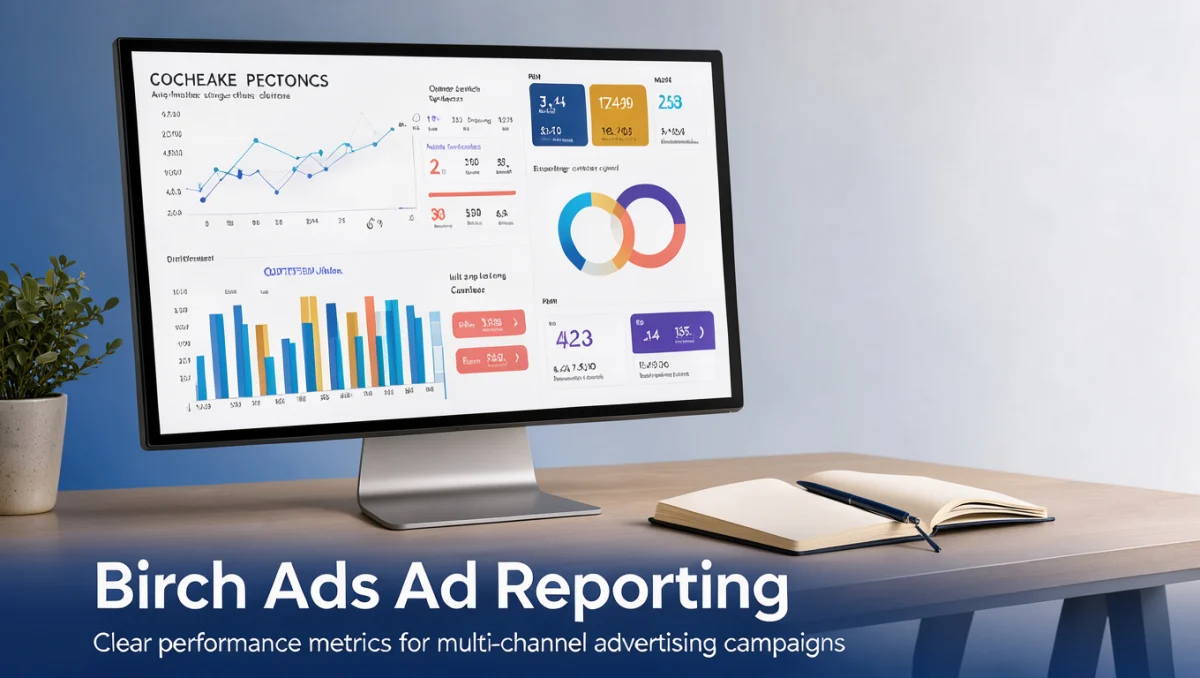
Birch Ads ad reporting is specialized software for compiling, analyzing, and presenting campaign statistics across digital advertising networks. Its main purpose is turning raw delivery figures, click volumes, impression records, and conversion events into clear visual summaries for stakeholders. Rather than logging into separate native interfaces each morning, growth specialists can review broad performance trends from one dashboard.
Tools in this category serve marketing agencies, independent media buyers, e-commerce brand managers, and corporate advertising teams. Within the wider marketing software landscape, reporting platforms act as an operational layer that links ad traffic to business revenue. Teams managing substantial paid budgets depend on consistent metric definitions to judge creative effectiveness, keyword profitability, and overall audience reach.
Organizations with complex buyer journeys often face fragmented data when reading native advertising dashboards. Birch Ads ad reporting addresses this by consolidating core metrics into structured tables and charts. Analysts can track key indicators without maintaining fragile spreadsheet links across separate ad accounts.
3. Core Advertising Reporting Capabilities

Core capabilities in modern advertising analytics focus on tracking, organizing, and visualizing performance across campaigns.
3.1. Campaign Performance Aggregation
Aggregation standardizes metrics from different paid channels into uniform reporting columns. Networks label impressions, clicks, cost per acquisition, and return on ad spend in different ways. Aggregation aligns these variations so media buyers can compare budget efficiency across initiatives without manually adjusting data.
3.2. Budget and Spend Tracking
Monitoring spend against target pacing helps prevent sudden overspending across active accounts. Tools in this category track daily pacing, cumulative monthly spend, and cost variation across ad sets. Media planners use these summaries to shift allocations toward top-performing creative during active promotion windows.
3.3. Conversion and Return Analytics
Conversion tracking links ad engagements to on-site actions, purchases, and lead milestones. Analyzing these paths gives teams actionable insight into revenue attribution and customer acquisition costs. Confirm the specific attribution model options on the official Birch Ads website before final deployment.
3.4. Custom Report Generation
Report generation modules let users build scheduled summaries for clients and internal leaders. Marketing professionals can set weekly or monthly delivery, selecting the graphs, tables, and narrative summaries that demonstrate campaign value.
4. Ease of Use and Learning Curve
Working with ad reporting software depends on intuitive menu structure, clean charts, and straightforward metric filtering. Most marketing professionals can set up basic dashboards within a few hours if they already know digital advertising terminology. Users familiar with click-through rate, cost per mille, and conversion rate will find onboarding gentle.
The learning curve steepens when configuring complex custom calculations, custom date ranges, or advanced multi-touch attribution. Teams moving from basic spreadsheets may need orientation sessions to understand how filters affect totals. Buyers should assess whether team members have enough advertising metric knowledge to manage dashboard configuration independently.
5. Pros and Cons of Birch Ads Ad Reporting
Weighing strengths and trade-offs sets realistic expectations for implementation and day-to-day administration.
5.1. Platform Advantages
- Provides unified visibility across multiple advertising campaigns and creative groups.
- Reduces manual overhead associated with compiling weekly marketing spreadsheets.
- Enables clear spend tracking against designated monthly promotional budgets.
- Delivers visual presentation options suitable for stakeholder reviews and client reporting.
5.2. Platform Considerations
- Initial metric alignment requires careful verification against native platform accounts.
- Data synchronization frequencies vary across subscription levels and require official confirmation.
- Custom attribution setup may demand advanced analytical background from operators.
6. Birch Ads Ad Reporting Compared With Similar Tools
Buyers often compare specialized reporting platforms with established enterprise intelligence suites and agency dashboard builders. Google Looker Studio suits teams that want free-form visual templates connected to native Google data sources, though it requires manual formula construction. Supermetrics focuses on automated extraction pipelines that move records into third-party warehouses and spreadsheets.
Birch Ads ad reporting distinguishes itself through its dedicated focus on paid advertising metrics, skipping configuration steps common in general-purpose business intelligence suites. General data tools require users to define relational databases from scratch, whereas dedicated ad software provides marketing metrics out of the box. Buyers should decide whether their needs call for broad enterprise business intelligence or specialized paid media tracking.
7. Who Should Use Birch Ads Ad Reporting
Choosing an analytics platform means matching organizational maturity and campaign volume to specific reporting workflows.
7.1. Digital Marketing Agencies
Agencies managing several client accounts at once benefit from standardized reporting templates. Uniform performance decks cut administrative hours each billing cycle, letting account managers focus on optimization rather than document creation.
7.2. In-House Growth Teams
Internal marketing departments handling multi-channel budgets need clear executive dashboards to justify spend. Immediate access to aggregated spend and conversion metrics streamlines cross-departmental reviews with finance and product teams.
7.3. Organizations That Should Look Elsewhere
Small business owners running a single local campaign on one network generally do not need a separate ad reporting platform. For modest budgets, native dashboards from advertising networks offer adequate performance tracking without recurring subscription costs.
8. How to Choose the Right Plan

Subscription tiers for ad reporting software typically scale with connected ad accounts, historical data storage, and reporting seats. Careful review prevents paying for unused capacity while keeping essential analytical features available.
| What to Check on the Official Site | Why It Matters |
|---|---|
| Connected account limits | Extra advertising accounts can increase monthly tier costs unexpectedly |
| Data refresh frequency | Campaign managers making intraday bid adjustments require near real-time updates |
| Historical data retention | Year-over-year seasonality comparisons require adequate historical data storage |
| Scheduled reporting delivery | Automated email delivery options save manual effort for agency teams |
| User access permissions | Multi-member teams need granular control over administrative settings |
Before finalizing a purchase, teams should confirm that birch ads ad reporting supports the export formats external stakeholders require. Checking official documentation ensures that export options align with company auditing practices.
9. Frequently Asked Questions
What should buyers evaluate when comparing ad reporting software?
Buyers should examine supported ad platform connections, data synchronization intervals, historical storage limits, and export options. Clarifying whether the tool supports custom calculated metrics helps avoid roadblocks after implementation.
How does dedicated ad reporting software differ from native ad dashboards?
Native dashboards only display performance figures generated within their own network. Dedicated ad reporting platforms aggregate metrics from multiple channels into one workspace, enabling cross-channel return comparisons without manual spreadsheet assembly.
What additional expenses should teams anticipate besides the subscription?
Teams should budget for internal onboarding time, custom dashboard development hours, and possible fees for additional user seats. Confirming add-on costs on the official vendor website keeps software budget projections accurate.
When is a company ready for an external advertising reporting platform?
A business is typically ready when it runs paid campaigns across two or more channels at once, or when manual reporting takes several hours each week. Centralized reporting becomes cost-effective once time savings outweigh subscription fees.
10. Final Verdict on Birch Ads Ad Reporting
Birch Ads ad reporting is a focused analytics solution for digital marketers who want consolidated campaign visibility without the setup burden of general enterprise intelligence platforms.
| Criterion | Score /10 | Reason |
|---|---|---|
| Features | 7.8 / 10 | Provides solid cross-campaign aggregation, spend monitoring, and visual performance reporting. |
| Ease of Use | 8.2 / 10 | Features a clean dashboard structure that simplifies routine advertising metric reviews. |
| Pricing and Value | 7.4 / 10 | Offers practical utility, though buyers must verify account connection limits on the official site. |
| Integrations | 7.2 / 10 | Covers core paid media sources, but users should check specific network compatibility officially. |
| Audience Fit | 8.0 / 10 | Aligns well with media buyers, agency managers, and growing multi-channel marketing teams. |
| Support | 7.0 / 10 | Buyers should verify support channels, response policies, and onboarding resources directly. |
| Competitive Position | 7.5 / 10 | Maintains a practical middle ground between raw data pipelines and complex enterprise business suites. |
Overall Score: 7.6 / 10
For marketing teams that spend considerable time compiling cross-channel figures by hand, adopting Birch Ads ad reporting brings immediate structural efficiency. Small teams managing a single ad account should keep using native network dashboards until campaign volume justifies a dedicated tool.
Readers with specific operational questions can contact our team at Review Craft X, and follow Trustreviewsx on LinkedIn for ongoing updates on business software evaluations. Explore more marketing software reviews in our Marketing section.