
Trustreviewsx may earn a commission when you buy through links on this page, at no extra cost to you. This does not affect our ratings.
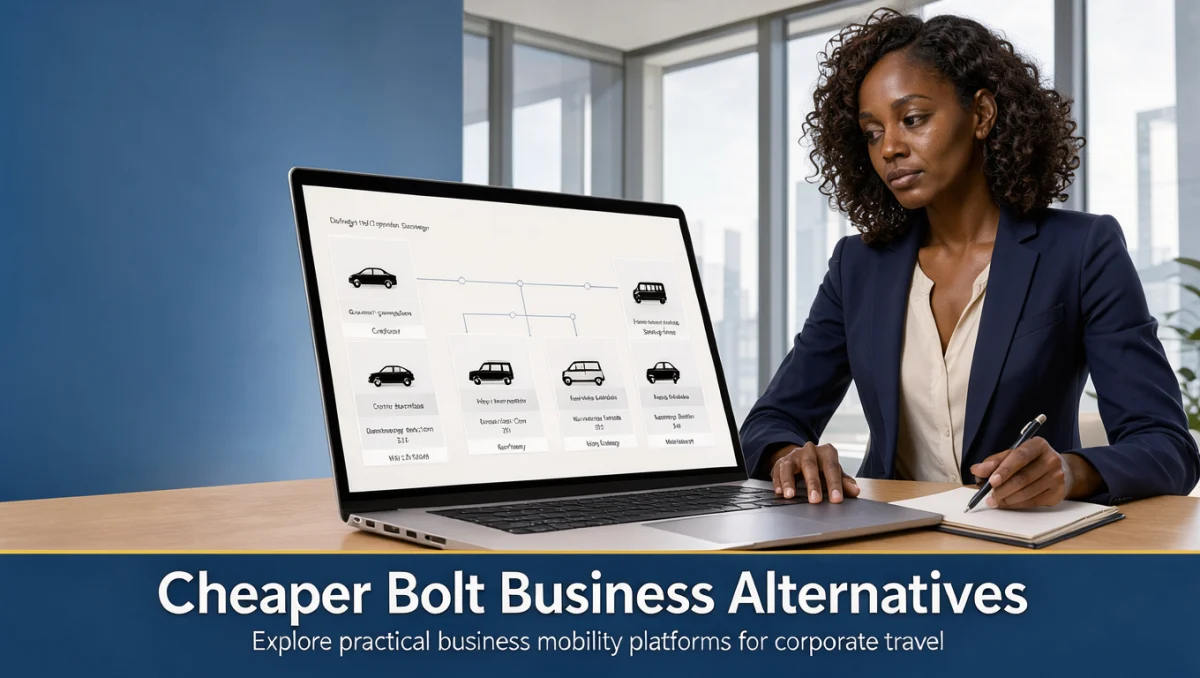
Cheaper Bolt Business alternatives become an immediate consideration when finance teams need tighter controls over corporate travel, meal expenses, and ground transportation budgets. Evaluating mobility tools requires balancing administrative overhead against user convenience, which is why Trust Reviews X provides structured frameworks to evaluate corporate mobility solutions without promotional bias.
Organizations often assess different business mobility providers to align travel policies, consolidate monthly invoicing, and manage decentralized employee commutes under predictable terms. Choosing the right platform depends heavily on your team operating regions, reporting requirements, and administrative workflows.
Quick answer: Companies seeking cheaper bolt business alternatives often look at Uber for Business for broad geographic service coverage, Lyft Business for specialized regional ground travel programs, or Freenow for Business for localized European fleet operations. Review billing models and administrative requirements directly on official vendor pages before making changes.
| Alternative | Switch to it if | Main trade-off |
|---|---|---|
| Uber for Business | Your organization requires global travel coverage across multiple international hubs | Higher baseline administrative complexity for central travel managers |
| Lyft Business | Your operations concentrate primarily on North American municipal travel | Absence of ground mobility services outside North America |
| Freenow for Business | Your corporate travel footprint centers primarily on specific European urban centers | Limited network reach when traveling across non-European regions |
1. How Trustreviewsx Put This Guide Together
This guide combines what the software covered here is built to do with the Trustreviewsx buying framework, so you can make the decision that fits your business. Plans, prices and limits change often, so we point out what to confirm on the official website before you buy. This article was researched and drafted with the help of AI tools, then reviewed and edited by the Trustreviewsx Editorial Team.
2. Why people look beyond Bolt Business

Companies review alternative platforms when team travel patterns expand into new metropolitan areas where existing provider networks differ in fleet density and driver availability. Travel administrators frequently reassess vendors when centralized invoice aggregation requires specific bookkeeping file formats to feed directly into general ledger Accounting systems.
Budget management represents another critical trigger. When internal expense policies require custom spending limits by department, team leads look for administrative dashboards that offer tailored rule enforcement. Shifting from one mobility provider to another is rarely about dissatisfaction with core vehicle dispatching, but rather about matching organizational travel footprints with practical administrative efficiency.
- Regional network coverage variations across differing company branch locations
- Specific reporting formats required for internal travel reconciliation
- Organizational shifts toward centralized monthly corporate invoicing
- Administrative preference for dedicated program rules by employee tier
3. Switching triggers
Before replacing any business mobility provider, travel managers should systematically map organizational requirements against concrete vendor capabilities. Analyzing your exact travel density prevents unexpected disruptions during month-end expense reconciliation cycles.
| Reason you want to switch | Type of alternative to consider | What to check first |
|---|---|---|
| Expanded travel across varied international destinations | Global business mobility platform | Confirm supported operating territories on the provider official regional portal |
| High volume of domestic rides within North America | Regional ride-hailing business platform | Review corporate account billing structures and account management terms |
| Urban European travel requiring taxi-metered options | European multi-modal travel platform | Verify driver coverage in specific secondary and tertiary target cities |
| Need for combined ground travel and meal delivery programs | Comprehensive corporate dispatch service | Check merchant availability and service policy options directly with sales |
4. The alternatives

When evaluating alternatives to Bolt Business, consider how each provider positions its services for team transport, automated receipt tracking, and administrative governance.
4.1. Switch from Bolt Business to Uber for Business if…
Switch to Uber for Business if your enterprise operates teams across diverse international markets and requires unified billing across multiple continents. The primary trade-off involves managing a more complex administrative interface that may require extra onboarding for travel coordinators. Before switching, confirm on the official Uber for Business portal which corporate payment terms and account structures match your travel volume.
4.2. Switch from Bolt Business to Lyft Business if…
Switch to Lyft Business if your corporate travel footprint concentrates within the United States and Canada, and your focus centers on domestic executive transport or patient transit. The trade-off is the absence of coverage when staff travel overseas. Verify service availability in your specific target municipalities on the official Lyft Business site prior to transferring accounts.
4.3. Switch from Bolt Business to Freenow for Business if…
Switch to Freenow for Business if your company operates primarily across European cities where traditional taxi integration and regional mobility options are critical. The trade-off involves reduced utility for staff who travel regularly to North American or Asian business hubs. Review city-by-city coverage charts on the official Freenow portal to ensure alignment with frequent employee travel routes.
5. How to switch without losing data
Migrating corporate travel programs requires a methodical procedure to safeguard historical trip logs and ensure continuous ride access for staff.
- Export all historical ride histories, passenger manifests, and monthly expense statements from your current administration portal for auditing archives.
- Audit active employee rosters to remove past personnel before initiating new platform onboarding, preventing unauthorized bookings.
- Configure company travel policies, spending limits, and designated billing methods inside the chosen replacement platform dashboard.
- Run both platforms concurrently for a transition window of two weeks to confirm billing accuracy and ensure user familiarization.
- Verify final invoice balances and formalize cancellation or account deactivation with your legacy mobility provider account representative.
6. Frequently asked questions
When should an organization stay with Bolt Business?
Organizations should stay with Bolt Business when their corporate operations remain situated within markets where Bolt provides strong vehicle coverage. If your accounting department is already satisfied with existing billing schedules, retaining the current setup minimizes administrative disruption and avoids retasking staff with new booking interfaces.
How much administrative effort does switching business travel vendors involve?
The administrative effort involves compiling employee lists, configuring expense policies, and linking payment profiles. For small organizations, setup can occur over a few business days, while larger firms with hundreds of active travelers typically require structured communication and a phased rollout over two weeks.
What should travel administrators prepare prior to platform migration?
Travel administrators should prepare clean employee directory files, designated department cost center tags, corporate payment credentials, and internal travel guidelines. Having these records organized simplifies policy configuration inside the new administrative portal and speeds up approval flows for business trips.
Can multiple corporate ride services be used simultaneously?
Companies can maintain parallel accounts with multiple corporate mobility vendors if employees travel across regions where network density differs. However, operating multiple vendors increases administrative overhead during monthly reconciliation, so finance teams should weigh traveler convenience against increased auditing steps.
7. Bottom line
Choosing among cheaper Bolt Business alternatives depends on where your employees travel, how your finance team reconciles ground transportation receipts, and the level of travel governance required. Businesses with global travel needs will find broad alignment with international providers, while companies operating solely in specific regional markets may achieve better administrative simplicity with local transit networks. Always verify current billing terms and regional availability directly on official provider sites before migrating your corporate travel account.
Have a question about choosing software? Send it to the Trustreviewsx team through our contact page or follow Trustreviewsx on LinkedIn for new reviews and comparisons.