
Our Trustreviewsx score is shared upfront: Some links on this page may earn us a commission when you buy, at no extra cost to you, and this never changes our ratings.
Readers searching for call rail reviews usually want one answer: which marketing campaigns actually bring in paying customers by phone. When inbound conversations drive revenue, teams need attribution data that separates real buyers from unqualified inquiries. Trustreviewsx tests software by looking at core operational features and offers practical buying advice so you can commit with confidence.
Choosing a call analytics platform means looking past basic call routing. Marketers should examine how each traffic source connects to caller activity, how conversation data gets organized, and whether reporting workflows suit client-facing teams. Comparing a tool's scope against your team size, then confirming current plan terms on the vendor's site, keeps spending under control.
Quick verdict: CallRail earns an overall Trustreviewsx score of 8.0 out of 10. It suits marketing agencies and service businesses that need clear attribution linking phone calls and forms to digital ad campaigns. It is less suitable for teams that want a standalone contact center platform without a campaign attribution focus.
| Metric | Evaluation |
|---|---|
| Trustreviewsx score | 8.0 / 10 |
| Best for | Agencies and service firms running campaigns across search, print and social channels |
| Not ideal for | Teams that need full enterprise call center management instead of marketing attribution |
| Key strengths | Inbound call tracking, dynamic number insertion, multi-channel attribution, conversation analytics |
| What to check before buying | Usage allowances for local and toll-free numbers, minute limits, and transcription add-on terms |
1. How Trustreviewsx Reviewed CallRail
This review covers what CallRail is built to do, who it serves, and how it stacks up against similar tools. We scored it against seven Trustreviewsx criteria: features, ease of use, pricing and value, integrations, audience fit, support, and competitive position. Plans, prices and limits change frequently, so we flag what to verify on the official website before purchase. This article was researched and drafted with AI assistance, then reviewed and edited by the Trustreviewsx Editorial Team.
2. What Is CallRail and Who Is It For?
CallRail is an inbound call tracking and marketing attribution platform that shows businesses which channels produce phone leads. Each digital ad campaign, offline billboard, direct mail postcard or search listing can be assigned a unique tracking number. The software then records the caller's journey from first touchpoint through the conversation, closing the blind spot that appears when visitors abandon web forms and pick up the phone.
The platform mainly serves marketing agencies, home service contractors, healthcare clinics, legal practices and regional businesses where customers are won through personal phone contact. Agencies managing several client accounts use attribution data to demonstrate return on ad spend. Teams exploring the broader marketing software category can see how phone attribution connects with web analytics and customer relationship systems.
Businesses selling exclusively through self-service e-commerce checkouts rarely need dedicated call tracking. When deal values are high and sales depend on consultative calls, however, attribution tools bring real operational clarity. CallRail centralizes lead source, session history and call recordings in a single dashboard.
3. Core Features of CallRail

Call tracking platforms are built around a few functional groups that help businesses gather attribution intelligence, judge lead quality and measure campaign performance. Knowing these capabilities lets buyers confirm the software meets their tracking needs.
3.1. Call Tracking and Attribution
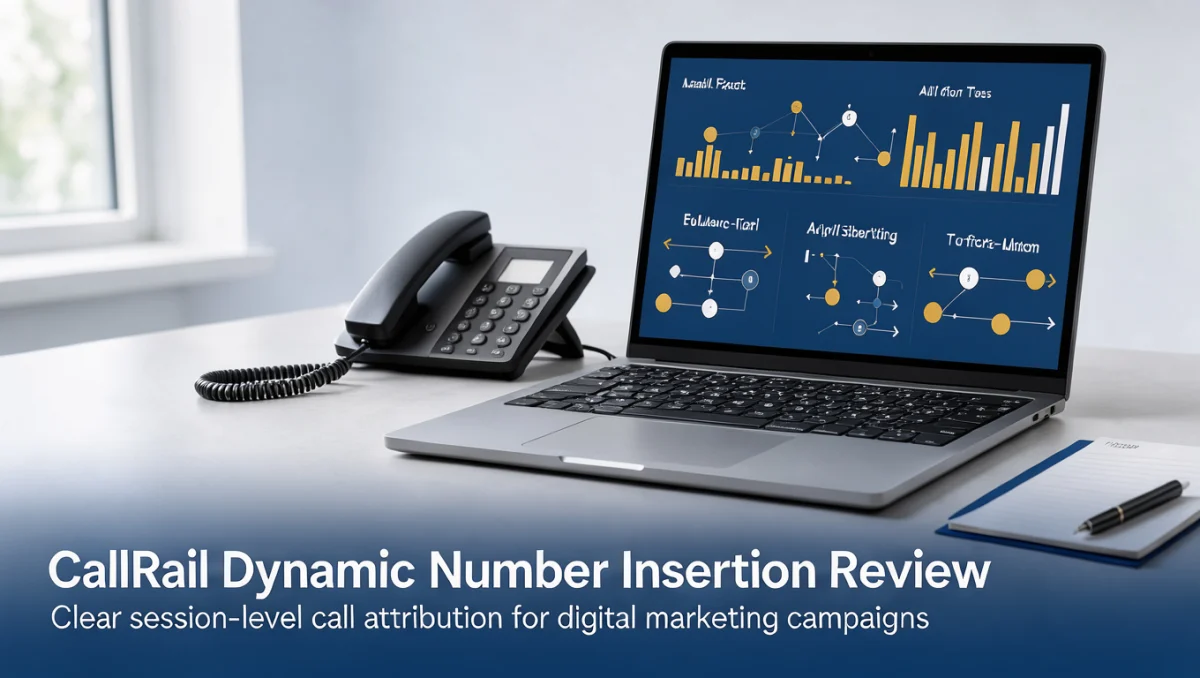
Call tracking works through static numbers and dynamic number insertion on websites. Static numbers appear on offline materials such as print ads or direct mail, routing calls to the main business line while logging the source. Dynamic number insertion uses a website script to swap the displayed number based on where a visitor came from, linking organic searches, direct visits or pay-per-click clicks to the resulting phone conversation.
3.2. Form Tracking and Lead Capture
Modern attribution platforms also capture web form submissions alongside phone leads. Tracking form interactions shows the full timeline of a prospect who browses key pages, completes an inquiry form, then calls hours later. Combining form and call tracking means attribution reports cover every conversion path in one framework.
3.3. Call Recording and Conversation Intelligence
Conversation visibility helps teams assess both marketing quality and sales intake. Recording lets managers review how leads are qualified, spot customer objections and coach frontline staff. Automated transcription and keyword spotting scan audio for product names, service requests or booking confirmations, so managers don't need to listen to every recording.
3.4. Reporting and Marketing Analytics
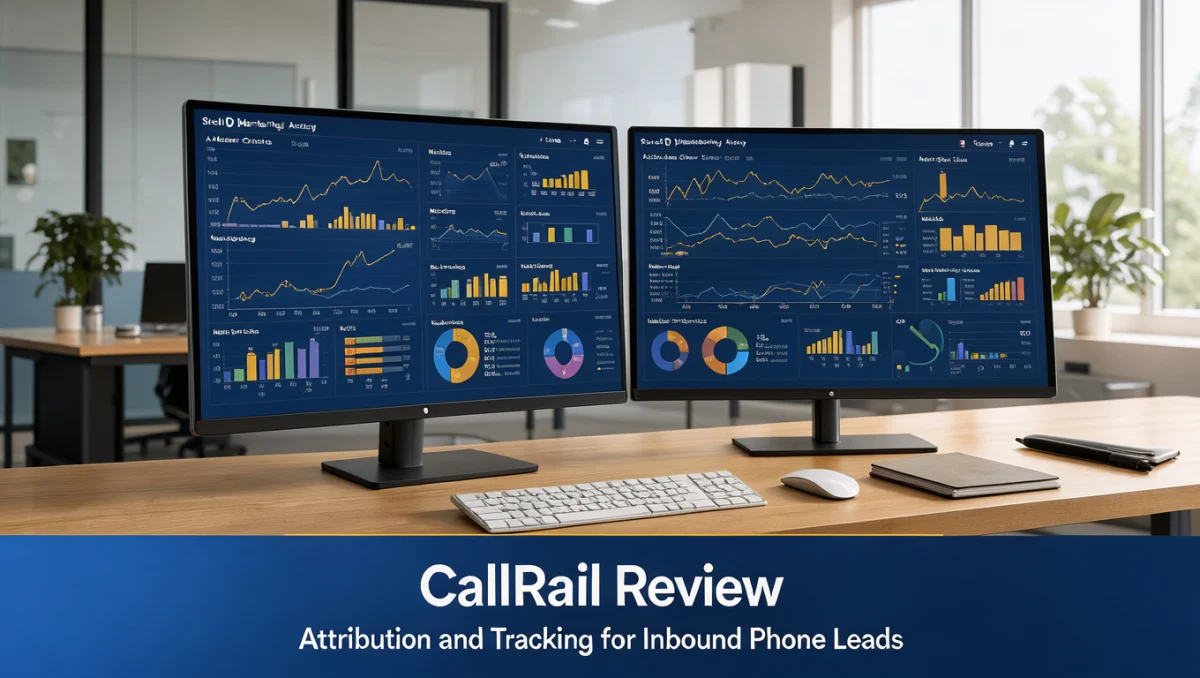
Attribution analytics summarize call volume, duration, geographic origin and campaign conversion rates. Dashboards let marketers compare acquisition channels, filter by landing page and assess cost efficiency across search and social. Agency reporting features separate individual client accounts, maintain distinct tracking pools and export performance summaries for stakeholders.
4. Ease of Use and Learning Curve
Deploying call tracking requires both administrative setup and technical installation on destination websites. Teams must add dynamic JavaScript snippets, configure tracking pools and build call routing paths that send incoming calls to the right staff or branch offices. Non-technical staff need to pay close attention to caching rules and referral source parameters when setting up tracking pools.
Once the routing infrastructure is live, day-to-day dashboard use is generally straightforward for account managers and agency specialists. Reviewing call logs, playing back recordings and adjusting notification alerts requires no specialized coding knowledge. Advanced attribution modeling or complex interactive voice response menus, however, need dedicated onboarding time and careful testing across different browser sessions.
Organizations moving from standard phone lines should plan for an adjustment period. Frontline employees should understand that caller ID may look different depending on call whisper settings or tracking pool configuration. Training staff on whisper messages and call tagging keeps incoming lead data clean.
5. CallRail Pros and Cons
Every marketing tool involves trade-offs that buyers must weigh against their technical requirements and team resources.
5.1. Pros
- Detailed source-level attribution connects online ad clicks and offline marketing materials directly to inbound calls.
- Dynamic number insertion accurately attributes visitors arriving from search engines, direct traffic and paid channels.
- Consolidated lead tracking places web forms and phone inquiries in a single timeline.
- Multi-account structures let agencies manage separate client profiles under unified billing oversight.
- Call recording and automated transcription support quality assurance and staff training.
5.2. Cons
- Tracking pool sizing needs ongoing monitoring, since traffic spikes can exhaust available numbers and reduce attribution precision.
- Toll-free and local number charges add up alongside subscription fees as call volume grows.
- Advanced conversation analytics depend on transcription accuracy, which varies with audio quality and background noise.
- Complex call routing schedules and department distribution trees require testing to avoid dropped customer inquiries.
6. CallRail vs Similar Tools
When comparing marketing attribution options, buyers often evaluate CallRail against direct competitors offering inbound call tracking and conversation intelligence.
Invoca targets mid-market and enterprise organizations with complex contact centers and large sales teams. CallRail is built for small and mid-sized businesses and agencies that want straightforward campaign tracking, while Invoca emphasizes deep enterprise conversation intelligence and sophisticated routing for large inbound call operations.
WhatConverts focuses on complete lead tracking across calls, forms, chats and e-commerce transactions, with strong emphasis on assigning lead value. CallRail, by contrast, leans toward voice analytics, call transcription and extensive agency management. Teams choosing between them should decide whether phone conversation analysis or multi-format lead valuation matters most.
CallTrackingMetrics combines call attribution with contact center agent management, including softphones, real-time queue management and live supervisor monitoring. Organizations that need those features often look toward it. Buyers who want focused marketing attribution without running a full virtual call center usually find CallRail a better fit for standard agency reporting.
7. Who Should Use CallRail?
Choosing call tracking software means matching the product's design with the daily realities of your business model and lead channels.
7.1. Marketing Agencies
Digital agencies managing paid advertising, search optimization and local listings benefit significantly from attribution platforms. Separate client dashboards, proof of phone-call generation and evidence of retainer value make dedicated tracking essential for keeping clients.
7.2. Home Services and Local Contractors
Roofers, plumbers, electricians and heating and cooling providers depend heavily on inbound calls for emergency and planned estimates. Call tracking shows which local service ads, vehicle wraps, direct mail flyers and search campaigns lead to booked appointments, helping prevent wasted spend.
7.3. Legal and Healthcare Practices
Law firms and specialized clinics handle sensitive, high-value inquiries where prospects prefer direct phone discussions. Attribution tracking helps practice administrators direct budgets toward channels that consistently produce qualified prospective client or patient calls.
7.4. Teams That Should Consider Other Options
Businesses running standard e-commerce storefronts, where transactions finish in a digital cart, don't need inbound call tracking. Organizations that require enterprise telephone support with workforce scheduling and outbound predictive dialers should look at dedicated contact center platforms rather than marketing attribution systems.
8. How to Choose the Right Plan

Call tracking subscriptions separate capabilities across tiers and variable usage measures. Buyers should review the official CallRail pricing page to confirm exact account thresholds before purchasing.
| What to check | Why it matters |
|---|---|
| Included tracking numbers | Additional local or toll-free numbers add recurring fees that raise monthly software costs. |
| Included voice minutes | Call volume above the base tier allowance triggers per-minute charges that vary by destination and line type. |
| Transcription allowances | Keyword spotting and conversation intelligence rely on transcription, which may carry separate usage limits. |
| Form tracking availability | Confirm whether form capture is bundled in the base tier or sold as a separate add-on. |
| Multi-account management terms | Agencies should verify how sub-accounts are billed so separate client invoicing stays commercially workable. |
9. Frequently Asked Questions
How does dynamic number insertion track individual website visitors?
Dynamic number insertion relies on a lightweight JavaScript snippet on your website. When a visitor arrives, the script detects the referral channel and displays a unique tracking number drawn from a temporary pool. When the visitor dials that number, the system links the call to their browsing session, records attribution data, then routes the call to your main business line.
What causes attribution gaps in call tracking setups?
Gaps appear when tracking number pools are too small for concurrent traffic. If more visitors arrive at once than there are numbers available, numbers get reused and attribution collides. Keeping pool sizes appropriate and making sure caching plugins don't freeze dynamic scripts prevents most discrepancies.
Should businesses record phone calls without notifying customers?
Call recording is subject to consent rules that differ by jurisdiction. Many regions require two-party consent, meaning all participants must be told the call is being monitored or recorded. Marketing platforms offer call whisper and greeting features that play an audible compliance notice before connecting the call to staff.
How should agencies budget for client call tracking costs?
Agencies should combine fixed platform fees with variable usage for each client account. Variable costs include the number of local or toll-free numbers, monthly inbound minutes, text message volume and transcription minutes. Confirming these variables on the official pricing page prevents overage charges from eroding project margins.
10. Final Verdict
CallRail offers focused attribution and conversation visibility for organizations where inbound phone calls drive critical revenue. Independent software assessments on Trust Reviews X concentrate on practical usefulness, transparent operational realities and clear selection criteria.
| Criterion | Score / 10 | Reason |
|---|---|---|
| Features | 8.5 | Comprehensive tracking options, dynamic number insertion, form capture and conversation intelligence. |
| Ease of Use | 8.0 | Intuitive reporting dashboard and campaign setup, balanced by script placement and pool sizing requirements. |
| Pricing and Value | 7.0 | Buyers must watch variable usage such as local numbers and minute overages on the official pricing page. |
| Integrations | 8.0 | Direct connections with common advertising dashboards, customer relationship software and web analytics tools. |
| Audience Fit | 8.5 | Strong operational alignment for marketing agencies, professional services, local contractors and healthcare clinics. |
| Support | 7.5 | Reliable documentation and onboarding resources; confirm current support channels directly with the vendor. |
| Competitive Position | 8.5 | Clear differentiation in agency reporting, call attribution accuracy and specialized conversation analytics. |
| Overall score | 8.0 | A balanced rating reflecting dependable call attribution and structured agency management workflows. |
Marketing agencies and local service businesses investing in multi-channel advertising will find real value in call tracking, especially when justifying customer acquisition spend. If your team needs detailed phone attribution to improve advertising return, visit the official CallRail website to review current plan terms and pool sizing details.
For more guidance on choosing business software, or to share feedback on this evaluation, contact the editorial team at https://trustreviewsx.com/contact/ or follow Trustreviewsx on LinkedIn at https://www.linkedin.com/company/trustreviewsx/ for updates on software evaluation standards in 2026.
See More Review Craft X