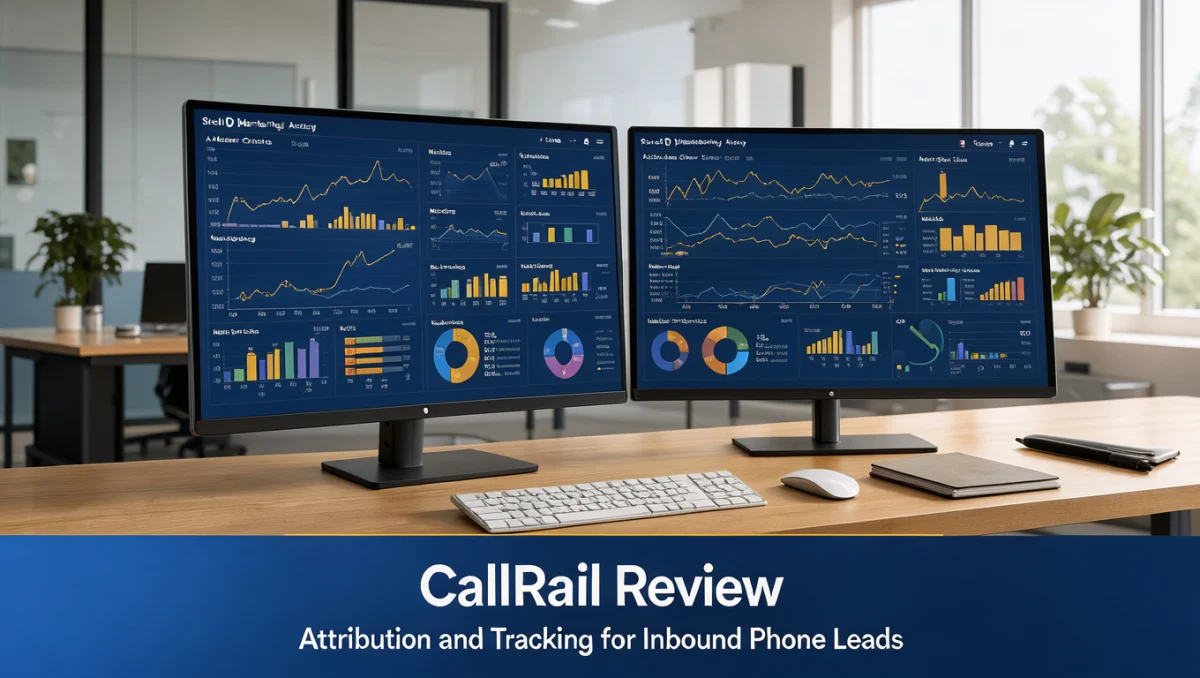


Phone calls remain a major conversion path, yet many marketing teams lose track of which online efforts actually prompt those calls. callrail dynamic number insertion closes that gap by assigning a tracking number to each visitor session, so every inbound call can be matched to the search, ad, or social post that brought the caller in.
How the Tracking Mechanism Works

When a prospect lands on a page, a small script detects the visit and displays a number pulled from a pool of tracking numbers. Source details, search terms, and campaign parameters are stored against that session. When the caller dials, the call is forwarded to your main line while the record keeps the full digital journey attached.
Managing the Number Pool
The pool must be large enough to cover the number of visitors on the site at the same moment. When traffic outruns the available numbers, numbers get recycled before earlier sessions close, and attribution becomes less reliable. Check the sizing guidance on the official CallRail site before running large paid campaigns.
Routing and Recording Calls
Routing rules send calls to particular offices, staff members, or hunt groups according to rules set by administrators. Call recordings add qualitative insight, letting teams judge lead quality, coach intake staff, and confirm that campaigns bring in suitable prospects.
Reporting and Attribution Views
Dashboards place call volume beside campaign source data, showing first-touch and last-touch attribution for each channel. Analysts can spot strong ad groups and weak landing pages, and review the sequence of visits that led up to a call.
Ease of Use
Installing the tracking script is a simple task for most site owners, usually done through a site header or tag container. Advanced setups, such as custom swap rules and exclusions, take more time and should be coordinated with developers so that incorrect numbers do not appear on cached pages. Ongoing checks are worthwhile after redesigns or framework changes.
Strengths and Limitations

- Clear visibility into the keywords, campaigns, and sources that generate phone inquiries
- Multi-touch attribution linking paid ads to offline conversations
- Central call recording for sales and service improvement
- Automated routing based on business hours and internal logic
- Accuracy depends on keeping pool sizes adequate during traffic spikes
- Incorrect script setup can cause inconsistent swapping on dynamic single-page applications
- Monthly number inventory costs need regular review to avoid overspending
Comparing Alternative Platforms
| Platform | Primary Positioning | Key Focus Area | Evaluation Focus |
|---|---|---|---|
| CallRail | Marketing attribution and lead intelligence | Session-level call tracking and source attribution | Review number inventory options and reporting simplicity |
| Invoca | Enterprise conversation intelligence | Complex contact center analytics | Assess enterprise implementation effort and onboarding scope |
| Marchex | Conversational data analytics | Automotive and enterprise sales intelligence | Check fit with specialized enterprise verticals |
| WhatConverts | Lead tracking and attribution | Combined phone, chat, and form reporting | Compare dashboard layout and lead workflow preferences |
CallRail focuses on marketing attribution for growing companies and agencies. Enterprise tools such as Invoca concentrate on contact centers and compliance at scale. WhatConverts merges several lead types into one reporting interface. Decide whether your main need is campaign attribution or internal call routing.
Who Benefits Most
Digital Marketing Agencies
Agencies managing client budgets need verifiable data to show results. Call-level attribution helps prove which campaigns generated qualified phone leads.
High-Value Service Businesses
Law firms, medical practices, accounting firms, and specialist contractors often close deals over the phone. Knowing which channels bring in valuable calls helps direct marketing spend.
Home and Local Service Providers
Roofing, plumbing, heating, and emergency repair businesses earn most of their revenue from calls. Number swapping separates organic local search visits from paid local service ads.
Who Should Consider Alternatives
Online retailers selling low-priced goods seldom need phone conversions. Small operators with light ad budgets and modest traffic may find a standard static number sufficient without a dynamic tracking pool.
Choosing the Right Setup
| What to Check | Why It Matters |
|---|---|
| Concurrent visitor volume | Sets the minimum pool size needed to avoid attribution collisions |
| Target landing pages | Confirms scripts fire correctly across subdomains and campaign funnels |
| Call recording policies | Requires alignment on caller notice and consent rules |
| Internal routing rules | Makes sure calls reach the right team without dropping |
Calculate average concurrent visitors before setting up your pool. Real-time traffic reports in your analytics tool give the baseline needed to size the pool, and current figures should be confirmed on the official CallRail website.
Frequently Asked Questions
How does a tracking script recognize returning visitors?
The script stores a first-party cookie in the browser that keeps attribution data for the session. If the visitor comes back within the cookie lifetime, the later visit is linked to the original source.
Why do attribution figures differ between platforms?
Differences appear when the number pool runs out during sudden traffic surges. If two visitors arrive at once and only one tracking number is free, unique session data cannot be assigned to both.
How should seasonal promotions affect pool planning?
Base pool adjustments on expected concurrent traffic instead of total daily visits. Adding numbers before major campaigns keeps attribution steady during peaks.
What technical skill is needed to run dynamic call tracking?
Basic script installation only requires access to site headers or a tag manager. Custom triggers or dynamic web apps may need a front-end developer to make sure scripts fire reliably.
Final Verdict
For businesses where phone calls are high-intent conversions, callrail dynamic number insertion provides dependable session-level attribution. Connecting offline calls to digital touchpoints gives growth teams the clarity they need.
| Criterion | Score /10 | Reason |
|---|---|---|
| Features | 8.5/10 | Session attribution, keyword tracking, and flexible routing offer strong campaign insight. |
| Ease of Use | 8.0/10 | Basic script installation is simple; advanced pool configuration needs technical care. |
| Pricing and Value | 7.5/10 | Verify pool expansion and minute rates on the official CallRail pricing page. |
| Integrations | 8.0/10 | Check supported marketing and CRM tools on the official website. |
| Audience Fit | 8.5/10 | Strong for service businesses, agencies, and regional contractors that depend on calls. |
| Support | 7.5/10 | Review documentation and onboarding resources on the official website. |
| Competitive Position | 8.0/10 | Clear focus on marketing attribution compared with enterprise contact center platforms. |
Overall score: 8.0/10
For marketing teams and service contractors trying to remove blind spots across channels, callrail dynamic number insertion offers a proven attribution method. Review your concurrent traffic patterns and confirm current number pricing on the official CallRail website before you implement it.
Questions about call tracking setup or software selection are welcome through Review Craft X.