
Choosing between two popular hosted email tools often comes down to one question: does your business need deep contact tracking, or simple publishing? Trustreviewsx may earn a commission when you buy through links on this page, at no extra cost to you. This does not affect our ratings.
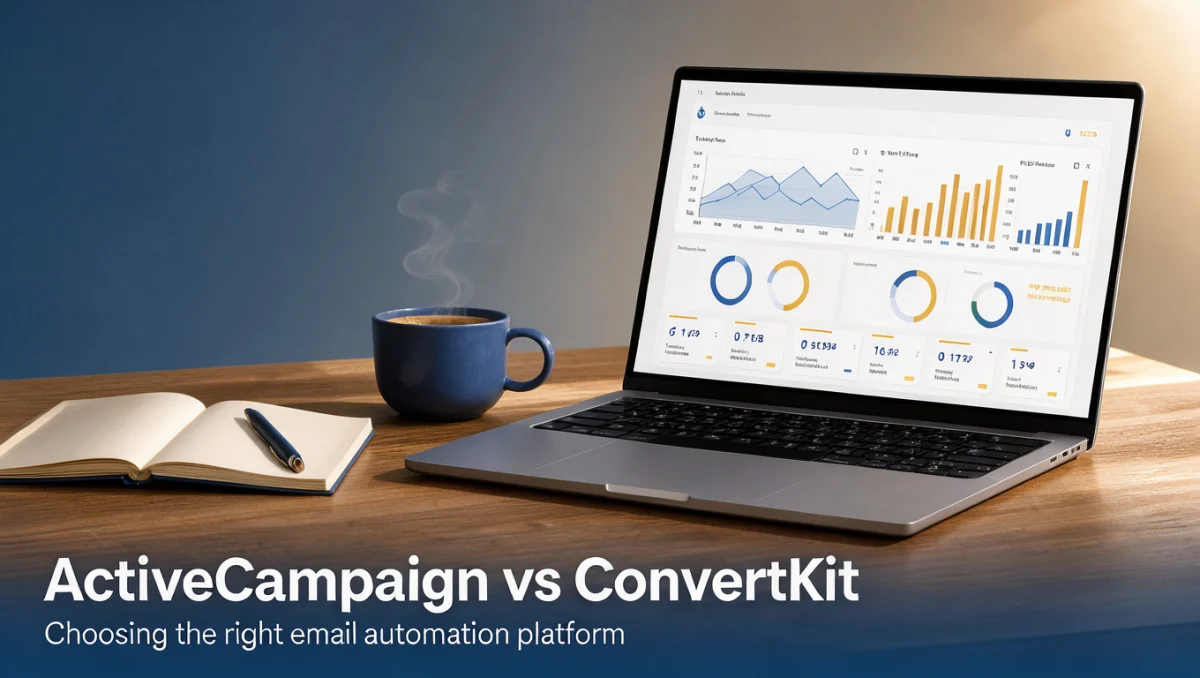
Teams building audience communication systems frequently weigh activecampaign vs convertkit before committing. Both are hosted email marketing and automation services, but they are built around different operational priorities. Trustreviewsx examines how each one matches audience needs, staffing capacity and campaign goals so you can avoid costly migration problems later.
Looking past marketing copy reveals structural differences. One platform is designed around contact pipelines and layered customer journeys. The other centers on text-driven messages, creator revenue streams and clean subscriber organization. Our Marketing section offers additional context on placing either tool within a broader promotional plan.
Quick Verdict
ActiveCampaign earns a Trustreviewsx score of 7.8 out of 10. It works best for growing sales teams and multi-channel marketers who need contact record management and detailed multi-step pathways. ConvertKit suits solo operators, newsletter writers and course creators who want plain-text distribution and direct digital sales. Neither is a strong fit for anyone wanting a one-click basic mailer without ongoing contact upkeep.
| Metric | Summary Evaluation |
|---|---|
| Trustreviewsx score | 7.8 / 10 |
| Best for | Teams needing contact tracking alongside multi-channel automation paths |
| Not ideal for | Senders who only require occasional broadcast announcements without audience segments |
| Key strengths | Contact management, workflow construction, audience segmentation, broadcast delivery |
| What to check before buying | Confirm contact tier definitions and specific add-on fees on the official product websites |
1. How Trustreviewsx Reviewed ActiveCampaign vs ConvertKit
This review looks at what each platform is built to do, who it serves and how it compares with similar tools. We apply seven Trustreviewsx criteria: features, ease of use, pricing and value, integrations, audience fit, support and competitive position. Plans, prices and limits change often, so we flag what to verify on official websites before purchasing. This article was researched and drafted with AI assistance, then reviewed and edited by the Trustreviewsx Editorial Team.
2. Short Answer: Main Positioning Differences
Understanding the core split between these tools prevents expensive setup errors. ActiveCampaign combines an automation engine with contact record management, serving businesses that tie marketing campaigns to direct sales follow-up. ConvertKit focuses on content publishing, simple tagging and nurturing relationships for independent publishers and educators.
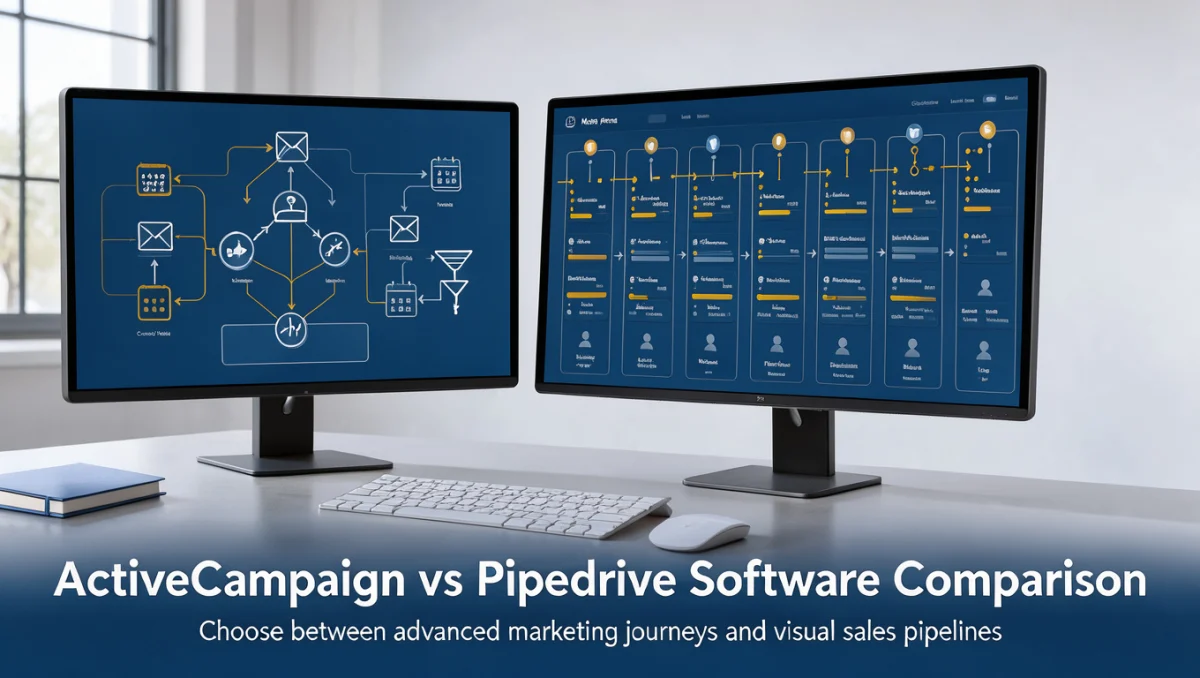
The gap becomes obvious once you consider organizational scale. ConvertKit shortens the route from blank page to sent newsletter, favoring clarity over branched logic. ActiveCampaign offers multi-condition triggers, contact scoring and deal tracking suited to organizations handling lengthy client decision cycles.
3. Positioning Comparison Table

Before reviewing individual criteria, compare the core purpose and target audience of each platform.
| Tool | Best for | Core strength | Consider if |
|---|---|---|---|
| ActiveCampaign | Teams running multi-stage client journeys and sales outreach | Automated workflow paths and integrated contact deal records | Your team requires conditional triggers based on website behavior and custom fields |
| ConvertKit | Independent creators, authors, podcasters and educators | Broadcast drafting and simple tag-based contact organization | Your priority is sending text-focused dispatches and selling digital assets directly |
4. Detailed Evaluation by Trustreviewsx Criteria
Assessing software against standardized criteria gives a more objective basis for choosing, separating structural design from promotional claims.
4.1. Features: Workflow Logic and Contact Tracking
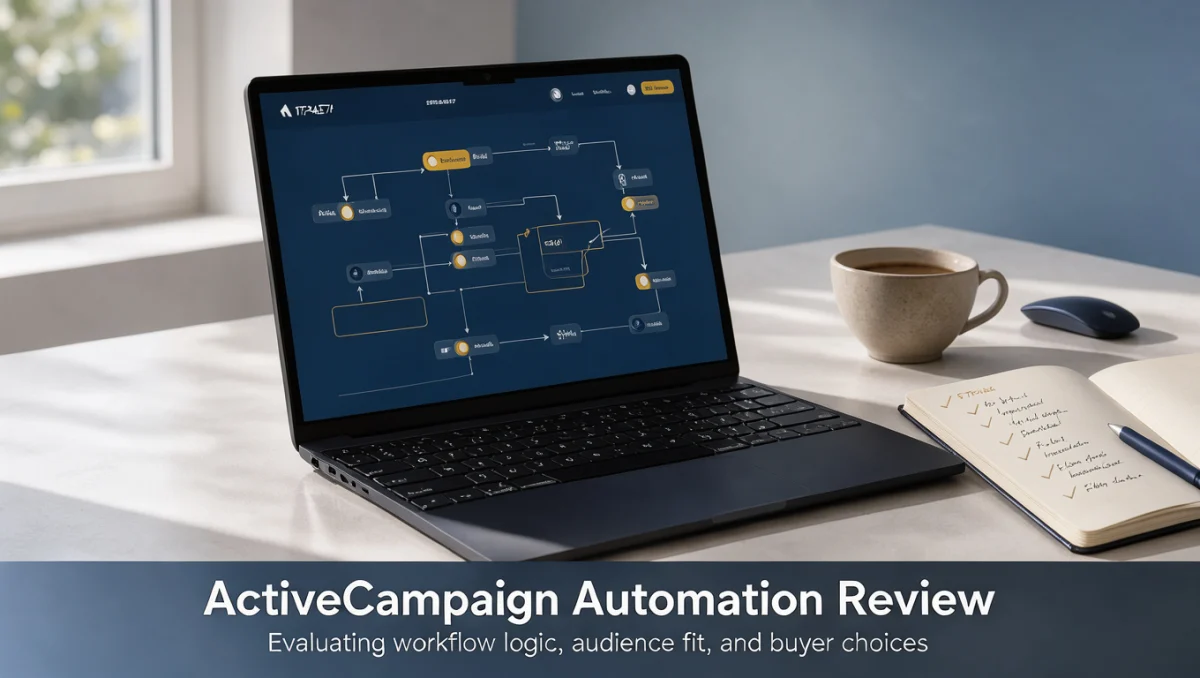
Automation architecture is the main functional difference between these services. ActiveCampaign offers visual journey mapping with branching decision paths, multiple trigger events and contact scoring rules. Marketers can build sophisticated sequences that react to link clicks, custom form data or CRM deal progression. Contact records keep extensive behavioral histories, letting sales teams review each person's interaction timeline.
ConvertKit uses a simpler model built on rules and sequences. Sequences deliver scheduled messages in a fixed order, while visual automations connect entry points to sequences through subscriber tags. Rather than managing elaborate profiles, ConvertKit treats each subscriber as a single record with assigned tags and custom fields. For digital product delivery and newsletter distribution, this streamlined structure cuts setup overhead.
4.2. Ease of Use: Interface Complexity and Learning Curve
Platform complexity reflects how much each system tries to do. ConvertKit presents a clean dashboard centered on writing broadcasts, building sequences and choosing landing pages. New users can draft a broadcast and schedule it within an afternoon, since the interface deliberately avoids intricate conditional panels.
ActiveCampaign has a steeper learning curve because of its extensive configuration options. Setting up custom user permissions, deal pipelines, attribution parameters and multi-stage automations takes deliberate planning. Teams often need dedicated onboarding time to structure custom fields before launching campaigns. Organizations without administrative staff may find the range of options overwhelming during early setup.
4.3. Pricing and Value: Long-Term Ownership Considerations
Evaluating total subscription value means checking official pricing directly. Vendors adjust subscriber tiers and feature access periodically, so buyers should review the official ActiveCampaign pricing page and the official ConvertKit pricing page to confirm current tier thresholds. For objective software insights across many categories, Trust Reviews X offers practical evaluations that prioritize sustainable business software investment.
For email automation tools, list growth is the main driver of rising costs. When comparing total cost of ownership, check how each provider counts duplicate contacts across segments, what charges apply when you exceed contact limits and whether sales pipeline features require a higher tier. Verifying these points on official sites helps your budget keep pace with growth.
4.4. Integrations: Ecosystem Connections and External Data
Data interoperability determines how well a platform communicates with the rest of your technology stack. ActiveCampaign connects with major customer relationship systems, billing engines and e-commerce storefronts. This lets events from payment portals or shopping carts trigger follow-up sequences automatically.
ConvertKit focuses on connections with creator-oriented applications, including course platforms, digital checkout systems and community hosting tools. Both providers maintain webhooks and connection bridges through common middleware services. Buyers should check each platform's official integration directory to confirm that their specific form plugins and merchant accounts connect natively without custom code.
4.5. Audience Fit: Alignment with Operational Models
Audience alignment determines whether software feels natural or cumbersome day to day. ActiveCampaign targets commercial enterprises, agencies and service businesses where marketing activity ties directly to closed client deals. If your team depends on pipeline tracking, lead qualification metrics and sales assignments, the platform matches your operating model.
ConvertKit serves solo entrepreneurs, writers, coaches and digital product sellers who communicate directly with individual readers. These operators rarely need deal pipelines or detailed stage tracking. ConvertKit includes built-in tools for paid newsletter enrollment and digital downloads, making it a good match for content-led businesses that value publishing speed over sales monitoring.
4.6. Support: Assistance Models and Onboarding Resources
Support access matters when automation sequences malfunction or subscriber data fails to sync. Both companies provide knowledge bases, self-paced learning libraries and direct contact channels. Because support availability and response commitments often change across subscription tiers, confirm the specific terms on the official ActiveCampaign and ConvertKit pages before signing.
When assessing support, find out whether migration assistance is included for larger subscriber databases. Moving established automation sequences, subscriber tags and form integrations between systems is technically demanding. Checking vendor-assisted migration terms helps you avoid costly downtime during a transition.
4.7. Competitive Position: Alternative Industry Options
The broader email software market includes many competitors serving specific segments. Mailchimp targets general small business marketing with pre-built templates, while HubSpot offers wider inbound sales architecture for mid-sized organizations. In the creator space, Substack provides focused newsletter hosting without an external marketing automation layer.
Within this landscape, ActiveCampaign occupies a position built on sophisticated automation and integrated CRM capabilities. ConvertKit holds a defined niche around creator independence, audience ownership and simple content monetization. Each vendor keeps a coherent value proposition within its target sector.
5. How to Decide: Strategic Evaluation Framework

Choosing between ActiveCampaign and ConvertKit means weighing your team composition, primary marketing channels and long-term goals. Follow this structured process to identify the better fit:
- Map your primary customer journey: Determine whether your sales process needs individual contact follow-up and deal tracking, or relies mainly on scheduled broadcasts and self-service digital transactions.
- Audit administrative capacity: Assess how much time your staff can spend managing the platform. Sophisticated automation engines need regular upkeep, while simpler broadcast tools need little oversight.
- Review technical connections: List your content management system, checkout tool and webinar software, then verify native sync support on each official website.
- Analyze subscriber data structures: Decide whether your targeting depends on deep behavioral event tracking or straightforward interest tags.
- Verify current package terms: Visit each official plan comparison page to confirm list size limits and seat licensing before making a purchase commitment.
6. Frequently Asked Questions
How should teams decide between CRM-centric and newsletter-centric platforms?
Teams should evaluate whether their main business model depends on closed client agreements or direct content monetization. When sales representatives need individual contact records, deal stages and behavioral scoring, a platform with integrated CRM capabilities is necessary. If your revenue comes from digital downloads, memberships or regular newsletters, a content-focused platform simplifies daily work.
What factors drive total platform costs as subscriber lists grow?
Total expenses depend mainly on subscriber volume tiers and seat permissions. Many platforms adjust monthly billing once contact lists pass specific thresholds. Buyers should also check whether duplicate addresses across multiple segments count against the overall contact quota on each vendor's official website.
Why is visual workflow mapping important for multi-step campaigns?
Visual workflow mapping lets marketing managers trace complex branching logic based on user actions. When messages depend on several conditions, such as visiting a pricing page or downloading a specific guide, visual builders help teams spot dead ends or logic conflicts. Simpler rule-based engines work well for linear sequences but become harder to audit across long multi-path funnels.
What should businesses check before starting an email platform migration?
Organizations planning a migration must verify how existing subscriber tags, custom field values and interaction history transfer between systems. Also examine whether current opt-in forms, landing pages and third-party checkout connections need reconfiguring. Reviewing official migration guides and data import specifications beforehand prevents lost contact context and interrupted delivery.
7. Final Verdict
The choice between ActiveCampaign and ConvertKit comes down to how structurally complex your outreach strategy is. ActiveCampaign suits organizations that need integrated contact records, multi-condition workflows and sales pipeline monitoring. ConvertKit provides an intuitive environment for publishers, solo creators and educators who want reliable broadcast delivery without administrative friction.
| Criterion | Score / 10 | Reason |
|---|---|---|
| Features | 8.5 / 10 | Deep branching automation and contact tracking, with a simpler tag model at ConvertKit |
| Ease of Use | 7.5 / 10 | ConvertKit is quicker to learn; ActiveCampaign requires planning and onboarding |
| Pricing and Value | 7.0 / 10 | Costs rise with list size and advanced features, so verify tiers on official sites |
| Integrations | 8.0 / 10 | Broad CRM and e-commerce connectivity, with creator-focused connections at ConvertKit |
| Audience Fit | 8.5 / 10 | Strong match for sales-led teams and for solo creators respectively |
| Support | 7.0 / 10 | Resources available on both sides; terms vary by tier |
| Competitive Position | 8.0 / 10 | Clear, defensible niches within a crowded email software market |
| Overall Score | 7.8 / 10 | Strong in its target segment, with a steeper curve for ActiveCampaign |
For independent creators, authors and educators, ConvertKit offers an accessible route to audience engagement and straightforward digital sales. For growing marketing teams, agencies and B2B organizations that need detailed customer pipelines, ActiveCampaign provides the necessary depth. Check current tier details on the official product websites to confirm the right fit for your budget.
Have specific software questions or need tailored guidance on your marketing stack? Send them to our editorial staff at https://trustreviewsx.com/contact/ or connect with Trustreviewsx on LinkedIn at https://www.linkedin.com/company/trustreviewsx/.