Trustreviewsx may earn a commission when you buy through links on this page, at no extra cost to you. This does not affect our ratings.
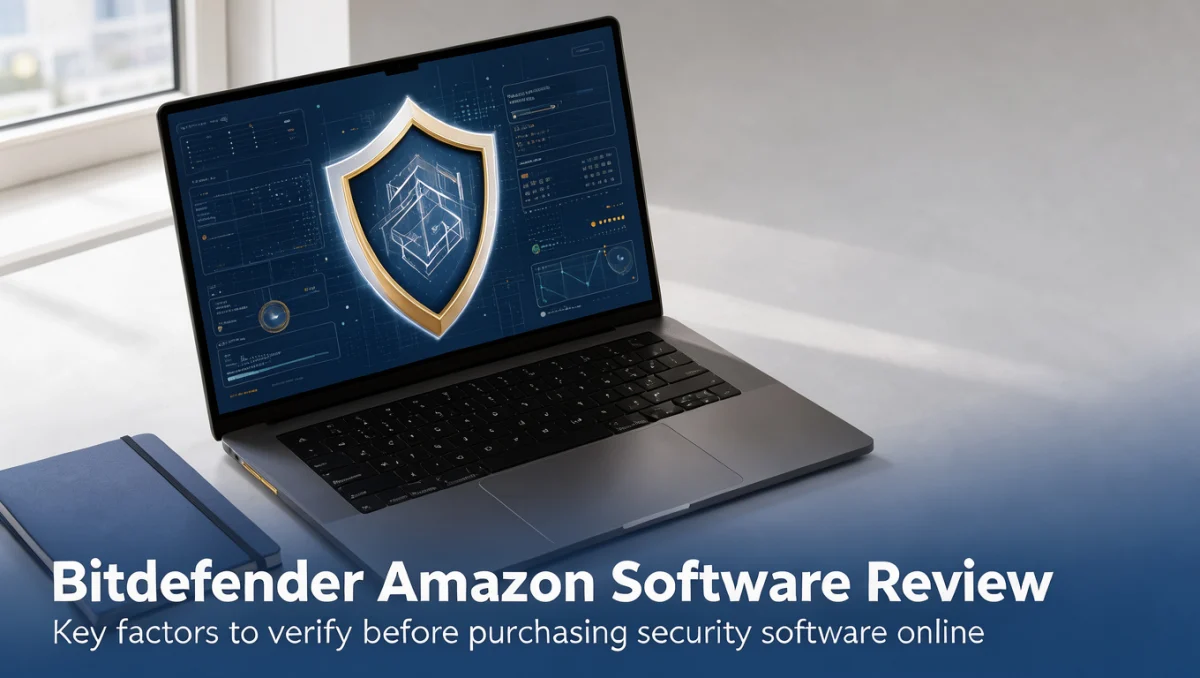
Shopping for a bitdefender amazon license can be a practical way to protect your computers without leaving a familiar marketplace. Before paying, it helps to know which delivery format you are getting and whether the software version matches your devices, since both affect how quickly your protection goes live.
Many people buy annual security coverage alongside laptops, accessories and office supplies. Understanding how a third-party seller's fulfillment differs from registering directly with the software maker can prevent surprises during setup or renewal. Trustreviewsx has put together this checklist so you can compare options calmly and buy with confidence.
Our verdict: with a Trustreviewsx score of 7.8 out of 10, a retail-sourced Bitdefender license works well for home users and small offices that want straightforward malware defense from an established channel. It is less suited to organizations that need centralized corporate deployment or custom contract billing handled by a direct sales team.
| Evaluation Metric | Summary Details |
|---|---|
| Trustreviewsx score | 7.8 / 10 |
| Best for | Home offices and personal device owners who want dependable real-time threat protection bought through a regular retail account |
| Not ideal for | Enterprises that need custom multi-seat corporate volume licensing and dedicated organizational setup support |
| Key strengths | Multi-layered malware scanning, proactive web filtering, and lightweight background operation |
| What to check before buying | Confirm whether the listing delivers a physical activation card or an instant digital key, and check regional license restrictions on the official merchant page |
1. How Trustreviewsx Reviewed Bitdefender Amazon
This review looks at what the software is built to do, who it serves, and how it compares with similar tools. We used seven Trustreviewsx criteria: features, ease of use, pricing and value, integrations, audience fit, support and competitive position. Plans, prices and limits change often, so we point out what to confirm on the official website before you buy. This article was researched and drafted with the help of AI tools, then reviewed and edited by the Trustreviewsx Editorial Team.
2. What Bitdefender Is and Who It Is For

Bitdefender is a cybersecurity platform designed to identify, isolate and remove malicious programs while blocking unauthorized access to personal and business devices. It monitors file execution, intercepts suspicious web requests and helps shield data from unwanted encryption or theft. The suite is aimed at everyday consumers, independent professionals and small business owners who need dependable baseline protection.
When you acquire a license through a retail platform, you are dealing with a retail distribution model rather than a vendor-direct subscription. Shoppers need to tell apart an instant electronic download from a boxed product shipped to the door. Once installed, the security software performs the same defensive work either way, but fulfillment speed, return flexibility and account registration depend heavily on the seller.
Modern security tools often rely on automated threat intelligence, using pattern recognition similar to techniques found in Artificial Intelligence software. Knowing how automated detection works alongside standard operating system defenses helps you keep an active layer of protection on every machine you use.
3. Core Features of Bitdefender Security Solutions
Security software provides multi-layered defenses that protect files, web activity and system integrity against constantly changing attacks.
3.1. Real-Time Threat Detection
Real-time detection continuously checks background processes and active files to stop malicious code before it can run. This layer inspects scripts, archives and system memory, halting unauthorized changes to essential system folders as they happen. You can browse, work and transfer files while the software watches for suspicious activity.
3.2. Web Defense and Anti-Phishing Safeguards
Web defense tools analyze web addresses and incoming traffic to block deceptive sites that try to collect login credentials or financial details. By refusing connections to blacklisted domains and filtering dangerous links in messages, this layer helps keep you from landing on compromised pages by accident.
3.3. Vulnerability and System Scanning
Vulnerability scans check your operating system and installed applications for missing updates, weak account credentials and misconfigured settings. Regular reviews highlight gaps attackers often exploit and give clear recommendations for patching software and reducing your device's exposure.
4. Ease of Use and Learning Curve
A security application should feel intuitive for casual users while still offering controls for experienced administrators. The main dashboard groups common actions, such as running a quick scan, updating threat definitions and checking overall system health, into clearly labeled panels.
Most security software runs quietly in the background and rarely needs attention. Setup typically means creating a vendor account, entering the license key from your retailer and following the guided prompts. People who prefer automatic defense can keep the default settings, while technical users can schedule custom scans, manage file exclusions and adjust how often notifications appear.
5. Pros and Cons of Buying Security Software from Retailers
Weighing the benefits and trade-offs of retail purchases helps clarify whether marketplace checkout suits your situation.
5.1. Advantages
- Streamlined checkout lets you use existing retail account credits, gift cards and consolidated billing.
- Physical activation cards can be bought in advance, gifted or stored until you upgrade a device.
- Some listings bundle several device licenses into one annual code, which simplifies household coverage.
- Orders stay in your broader retail purchase history, making receipts easy to find.
5.2. Considerations and Limitations
- Digital codes from third-party sellers may carry regional restrictions that complicate activation in another country.
- Auto-renewal terms set during activation with the software vendor operate separately from the original retail order.
- Mid-cycle seat additions, plan upgrades or cancellations generally cannot be handled by the retailer's customer support.
6. Bitdefender vs Similar Security Solutions
Understanding how other security suites position themselves helps you pick the right model for your environment.
6.1. Norton
Norton focuses on identity protection, private virtual networking and family-friendly bundles. Bitdefender emphasizes lightweight performance and unobtrusive scanning, while Norton appeals to users who want broader personal privacy tools packaged with antivirus scanning.
6.2. McAfee
McAfee highlights coverage across many household devices, with generous installation allowances for families using mixed operating systems. Bitdefender tends to focus on precise scanning controls and modular protection layers, whereas McAfee emphasizes cross-device safety scores and simple family management panels.
6.3. Kaspersky
Kaspersky offers granular threat controls and advanced configuration options aimed at power users and technical enthusiasts. Bitdefender provides comparable multi-layered scanning while keeping a less intimidating interface for non-technical users.
7. Who Should Use Bitdefender Amazon
Different users need different management models to stay protected without unnecessary administrative effort.
7.1. Freelancers and Remote Workers
Independent professionals who handle client data on personal laptops need protection that runs in the background without interrupting video calls or draining battery life. A multi-device retail license lets remote workers cover both a main workstation and a backup machine under one registration key.
7.2. Small Business Owners
Small offices without a full-time administrator benefit from set-and-forget defenses that protect workstations from risky email attachments. Business buyers should confirm whether a retail listing provides standalone licenses or connects to a central management console, since standalone keys must be entered manually on each machine.
7.3. Students and Home Users
Students and casual home users want simple installation that protects schoolwork, streaming and online banking. Buying through an established online store lets them combine software protection with everyday shopping.
7.4. Teams That Should Look Elsewhere
Organizations managing hundreds of remote endpoints that need automated deployment scripts, directory synchronization and complex policy enforcement should avoid retail listings. These businesses should negotiate enterprise agreements directly with the vendor's sales team to secure centralized compliance monitoring and dedicated technical support.
8. How to Choose the Right Plan on Retail Marketplaces

Browsing security software on shopping sites requires close attention to product details, delivery methods and seller credentials.
| What to Check on the Product Page | Why It Matters |
|---|---|
| Delivery format (digital code vs boxed card) | Instant digital downloads grant access immediately, while physical cards need shipping time before installation can begin. |
| Seller authorization status | Authorized storefronts help ensure authentic license codes, whereas unverified third-party sellers may offer invalid or region-locked keys. |
| Device coverage allocation | Plans differ in how many devices they protect, so list your active devices before choosing. |
| Operating system compatibility | Some editions cover desktops only, while others also include mobile devices. |
| Auto-renewal conditions | Activation with the software maker often requires a payment method on file, which you should manage in your account settings. |
To compare software across different categories, readers can turn to Trust Reviews X for independent breakdowns of subscription terms, workflow software and productivity tools.
9. Frequently Asked Questions
What should buyers check on retail software listings before paying?
Confirm whether the product is fulfilled by the official store or an unverified third-party seller. Check the stated system requirements, verify whether delivery is an instant digital code or a mailed card, and make sure the subscription length matches your plans. These checks help avoid activation problems after you download the software.
How does license renewal work when purchased through a marketplace?
The original purchase covers the term shown on the listing. During installation you create a vendor account and register the key there. Software companies often invite users to enroll in automatic renewal in that portal. If you prefer to renew manually or buy a new retail code later, adjust your billing preferences in the vendor dashboard.
Why do some retail keys fail to activate?
Activation problems usually come from regional restrictions, mistyped characters or keys bought from unauthorized resellers that have already been registered. A key purchased in another country may fail the vendor's geographic check. Buying from verified listings reduces the risk of receiving an unusable or revoked code.
What is the difference between an activation card and a digital download code?
An activation card is a physical item shipped by mail, with a scratch-off license code inside. A digital code is delivered electronically to your retail account or inbox within minutes of checkout. Both give access to updates once registered, but digital delivery avoids shipping delays.
Can multiple devices share a single retail software key?
Multi-device licenses allow activation on several machines up to the seat limit printed on the package. You register the key to a central account and then install the software on each family or office device. Check the exact device allowance on the official listing before you check out.
10. Final Verdict
| Evaluation Criterion | Score / 10 | Evaluation Reason |
|---|---|---|
| Features | 8.5 / 10 | Multi-layered threat detection, web filtering and active scanning provide reliable baseline defense. |
| Ease of Use | 8.0 / 10 | A clean dashboard and automatic background scanning keep friction low for non-technical users. |
| Pricing and Value | 7.5 / 10 | Retail purchases offer competitive entry costs, though renewal terms need careful management. |
| Integrations | 7.0 / 10 | The tools run independently across standard systems without complex application integrations. |
| Audience Fit | 8.5 / 10 | Well suited to households, students and small offices seeking straightforward device security. |
| Support | 7.0 / 10 | Vendor support handles account and activation questions, while retailers handle order fulfillment. |
| Competitive Position | 8.1 / 10 | Competes with established consumer suites by prioritizing low system impact and solid scanning. |
Overall score: 7.8 / 10
For independent professionals, home computer owners and growing households, buying digital security licenses through retail channels is an accessible way to protect your devices. Choose authorized listings and confirm device allowances before you order.
If you have questions about choosing software or want to share your setup experience, contact our team at https://trustreviewsx.com/contact/ or join our professional network at https://www.linkedin.com/company/trustreviewsx/.
See More Review Craft X