
Trustreviewsx may earn a commission when you buy through links on this page, at no extra cost to you. This does not affect our ratings.
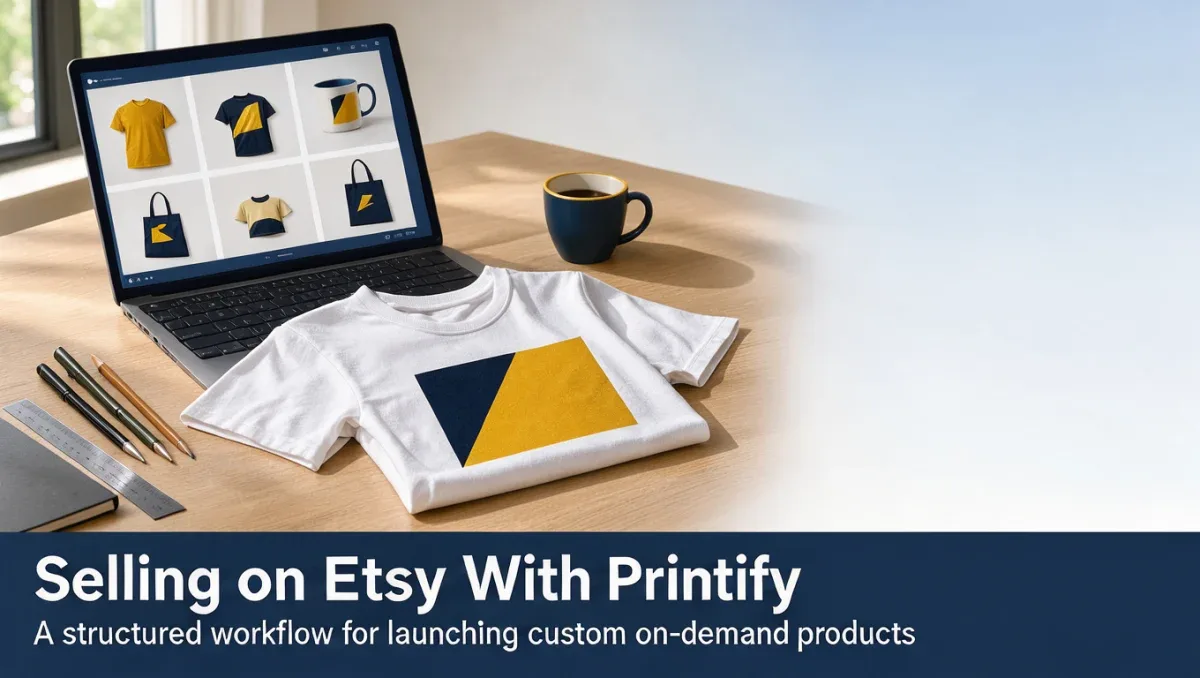
How to sell on etsy with printify comes down to connecting an on-demand production partner with a dedicated online storefront to deliver custom merchandise without managing physical inventory. Setting up this automated retail channel requires clear operational preparation, careful catalog design, and an understanding of marketplace dynamics so orders flow smoothly from buyer purchase to final delivery. In this walkthrough, Trustreviewsx outlines the foundational process for building a reliable product line while maintaining customer satisfaction.
Entrepreneurs expanding into print-on-demand often look for repeatable production systems that minimize overhead while maintaining consistent product quality. By establishing a synchronized pipeline between a storefront on Etsy and fulfillment networks through Printify, creators can focus on original designs, strategic positioning, and responsive buyer communication. Readers exploring broader digital business models can explore the E-commerce hub for operational perspectives across multiple retail platforms.
Quick answer: Learn how to sell on etsy with printify by opening both accounts, establishing your shop policies, creating design files that match item templates, publishing synced product listings, and monitoring automated production workflows through order completion.
| Evaluation Metric | Operational Profile |
|---|---|
| Who this guide is for | Independent creators, design freelancers, and boutique brand operators starting an on-demand physical merchandise shop. |
| What you need before starting | Active storefront access, original high-resolution graphic assets, registered business banking details, and clear fulfillment policies. |
| What you will have at the end | A functional, synchronized sales channel with published listings and automated fulfillment handoffs ready for real customers. |
1. How Trustreviewsx Put This Guide Together
This guide combines what the software covered here is built to do with the Trustreviewsx buying framework, so you can make the decision that fits your business. Plans, prices and limits change often, so we point out what to confirm on the official website before you buy. This article was researched and drafted with the help of AI tools, then reviewed and edited by the Trustreviewsx Editorial Team.
2. Before You Start

Entering the print-on-demand marketplace requires foundational preparation before connecting your sales channels. Taking care of administrative requirements in advance ensures that inventory syncs without technical interruptions or policy compliance delays.
- Original design assets exported in high resolution according to manufacturer canvas requirements.
- An active storefront registration with completed banking verification for merchant payouts.
- A registered fulfillment account on the official Printify website configured with default production preferences.
- Established return, exchange, and shipping policies that reflect real-world on-demand production schedules.
- Calculated cost estimates covering marketplace transaction percentages, payment processing deductions, and base item production fees.
3. Step-by-Step Workflow

Connecting your production channel to an active audience involves a sequence of operational stages that link product creation directly to listing visibility.
- Establish your core shop identity on Etsy by completing vendor onboarding, setting legal details, and defining regional delivery targets to prepare the environment for new product syncs.
- Register on the official Printify platform and link the digital storefront through the integrations area to enable automated two-way listing and order communication.
- Select blank catalog items that align with your brand standards, confirming baseline material specifications on the official Printify website before applying graphics.
- Upload vector or raster artwork onto mockups, adjusting placement boundaries so that finished goods match customer visual expectations.
- Publish draft product descriptions, mockups, and retail pricing directly to your shop inventory, reviewing calculated production costs on the official Printify catalog page beforehand.
- Configure listing attributes, tags, and category taxonomies inside your shop dashboard to improve marketplace search visibility.
- Perform an end-to-end sample transaction to verify tracking synchronization, billing methods, and packaging presentation under genuine order conditions.
4. Your First 30 Days
Maintaining a steady cadence during your initial operating month prevents customer service bottlenecks and aligns your operational routines with marketplace demand.
| Week | Routine to build | Why it matters |
|---|---|---|
| Week 1 | Verify catalog connections, test listing publishing routines, and inspect physical product samples. | Confirms production quality and ensures that automated listing data passes between platforms correctly. |
| Week 2 | Establish daily check-ins for processing orders and verify tracking updates against manufacturer timelines. | Prevents fulfillment delays and flags out-of-stock garment variants before buyers submit complaints. |
| Week 3 | Audit search visibility, customer inquiries, and shipping questions to refine product descriptions. | Reduces repetitive pre-purchase queries and clarifies realistic production transit expectations. |
| Week 4 | Review monthly production billing, marketplace fee deductions, and net margins across all active items. | Ensures overall shop profitability and identifies which product variants generate sustainable margins. |
5. Common Mistakes and How to Avoid Them
New shop owners frequently experience operational friction because of misunderstandings regarding automated production workflows. Recognizing these pitfalls early helps sustain seller ratings and protects brand reputation.
- Neglecting realistic turnaround windows by advertising standard retail delivery speeds rather than factoring in factory production times.
- Relying exclusively on digital mockups without inspecting tangible test prints for color saturation and material texture.
- Ignoring base cost shifts across garment sizes, which can shrink profitability on larger variants if retail prices remain uniform.
- Overlooking automated stock status changes among production partners, leading to unfulfilled orders when blank goods become unavailable.
- Failing to clearly state production partner relationships on the official Etsy shop profile, which violates marketplace disclosure guidelines.
6. When to Ask for Help
While on-demand manufacturing simplifies inventory logistics, certain operational hurdles require external guidance or official support escalation.
- Discrepancies in tracking number transmissions between platforms that leave orders marked as unfulfilled.
- Repeated manufacturing defects or recurring print alignment errors across customer orders that require production partner investigation.
- Complex multi-state or cross-border sales tax obligations that require consultation with a certified public accountant.
- Unresolved policy compliance questions regarding copyright ownership or commercial design licensing terms.
7. Frequently Asked Questions
How much time does shop setup require?
Connecting both platforms and publishing initial listings can be completed in an afternoon once original design files and shop payment profiles are prepared. Additional time should be dedicated to ordering physical samples and testing print quality before starting public marketing promotions.
What should sellers do if an item arrives damaged?
Merchants should review clear customer photographs of the defect and consult the reprint guidelines on the official Printify website. Documenting the production fault promptly allows sellers to request a manufacturer reprint or process a customer refund in line with stated shop policies.
Do sellers need physical inventory storage?
Physical inventory storage is not required because individual items are produced and shipped only after a retail buyer completes checkout. Sellers manage digital design assets and customer communication while production partners handle blank stock warehousing and physical printing.
Can production partners be changed after listings are live?
Alternative print providers within the fulfillment network can be assigned if a primary manufacturer faces temporary supply constraints. Verifying regional shipping rates and blank apparel specifications on the official Printify website is recommended before switching fulfillment routes.
8. Next Steps
Building a successful print-on-demand enterprise relies on consistent listing iteration, rigorous quality verification, and transparent store management. Buyers who appreciate reliable product quality often return for seasonal purchases, making operational diligence essential. To explore unbiased analyses of modern productivity platforms and digital business software, browse the independent research published by the Trust Reviews X editorial team.
- Order physical samples of your initial merchandise line to verify print fidelity, fabric weight, and packaging durability.
- Complete all seller disclosure requirements on your storefront profile to maintain full platform transparency.
- Establish a daily administrative habit of checking pending order statuses and supplier inventory alerts.
- Track production expenses alongside platform transaction deductions to keep profit margins healthy across all active designs.
Have a question about choosing software? Send it to the Trustreviewsx team through our contact page or follow Trustreviewsx on LinkedIn for new reviews and comparisons.