Trustreviewsx may earn a commission when you buy through links on this page, at no extra cost to you. This does not affect our ratings.
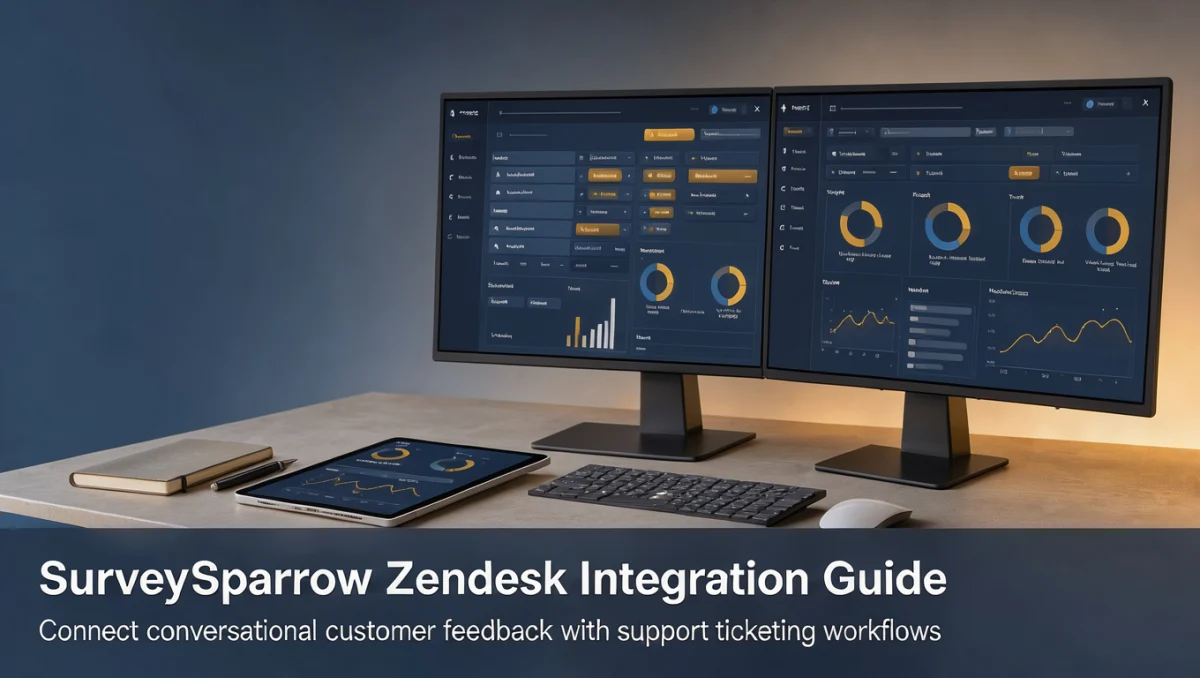
Pairing SurveySparrow with Zendesk brings conversational feedback collection into the same workflow that handles customer support tickets. Service teams can gather satisfaction ratings, NPS scores, and resolution feedback without asking agents to switch away from their main helpdesk. Trustreviewsx tested this connected setup to show whether it suits particular support operations and feedback goals.
Many customer experience leaders struggle with survey tools that sit apart from their helpdesk, leaving customer sentiment stranded in a separate silo. If agents cannot view survey answers alongside a ticket history, following up with unhappy customers turns into slow manual work. This review examines the strengths, practical constraints, and purchasing factors for running both platforms together in 2026.
Quick verdict: With an overall score of 7.8 / 10, this integration suits support teams that want conversational surveys tied directly to service tickets. It is less suitable for teams that only need basic helpdesk forms and prefer not to maintain an external survey subscription.
| Metric | Summary |
|---|---|
| Trustreviewsx score | 7.8 / 10 |
| Best for | Customer service teams that want automated feedback linked to ticket resolutions |
| Not ideal for | Organizations that want built-in basic forms and do not want to manage separate subscriptions |
| Key strengths | Conversational survey formats, ticket creation from survey responses, contact synchronization |
| What to check before buying | Official plan requirements on both platforms to confirm integration access and webhook allowances |
1. How Review Craft X Evaluated the SurveySparrow Zendesk Integration
This review covers what SurveySparrow is designed to do, who it serves, and how it compares with similar tools. We assessed it against seven criteria: features, ease of use, pricing and value, integrations, audience fit, support, and competitive position. Plans, prices, and limits change frequently, so we note which details to verify on the official website before purchasing. This article was researched and drafted with AI assistance, then reviewed and edited by the Review Craft X Editorial Team.
2. What the SurveySparrow Zendesk Integration Is and Who It Serves
The SurveySparrow Zendesk integration links an experience management platform with a customer support ticketing system. SurveySparrow is mainly an online survey platform focused on conversational, chat-style question formats. Zendesk is a centralized customer service and ticket management environment. Once connected, the two tools exchange customer data, event triggers, and satisfaction scores.
The integration is aimed at customer support supervisors, service operations managers, and customer experience leads. Service organizations often use it to send a satisfaction survey as soon as a ticket moves to solved or closed. If a respondent gives a low rating in an external survey, the workflow can also open a new follow-up ticket in Zendesk so agents can respond to the dissatisfaction quickly.
Teams evaluating tools in the Collaboration & Productivity category often look at how well operational platforms pass data back and forth. For support teams, having customer sentiment embedded in daily work removes the burden of exporting spreadsheets and matching email addresses across separate databases by hand.
3. Core Capabilities and Workflows

To understand what this connection delivers, it helps to look at how data moves between the two platforms during a typical customer service cycle.
3.1. Automated Survey Distribution on Ticket Events
Automated survey delivery is the main operational link between the two platforms. Support managers set triggers based on standard ticket actions such as resolution, closure, or a custom tag. When an agent finishes helping a customer and closes the case, the system passes the contact details to SurveySparrow, which sends a targeted feedback request by email or chat.
This removes the need for agents to remember to send satisfaction requests by hand, and it keeps feedback timing consistent across the whole team. Before setup, buyers should review their existing Zendesk trigger rules to decide which ticket stages or departments should start a feedback request.
3.2. Two-Way Ticket Creation and Sentiment Alerts
Two-way data exchange lets feedback gathered outside the helpdesk prompt action inside the support queue. When a respondent submits an NPS survey or product evaluation with critical comments or low scores, the integration can automatically create a Zendesk ticket containing the response details. A retention specialist or escalations team can then pick it up.
This closed loop keeps negative responses from sitting unread in survey reports. By turning survey sentiment into assignable tickets, customer service teams handle retention risks as normal operational tasks, with owners and trackable resolution times.
3.3. Customer Profile and Ticket Timeline Mapping
Writing response data into the customer record gives agents context before they reply. When a customer contacts support, agents viewing the Zendesk profile can see past satisfaction metrics and earlier feedback collected through SurveySparrow. That history helps agents adjust their tone and approach from the first reply.
Field mapping lets teams align specific survey answers with custom fields in the helpdesk database. Operations managers should plan the required data fields on paper first, so the customer record captures only useful information and does not crowd the agent workspace.
4. Ease of Use and Setup Considerations
Connecting SurveySparrow and Zendesk involves configuring authentication tokens, choosing survey triggers, and setting field mappings across both accounts. Administrators who manage support workflows regularly will find the authorization steps familiar, whether they use a standard marketplace connector or exchange administrative credentials directly.
The learning curve depends mainly on how complex your team's logic is. A simple setup that sends one satisfaction survey at ticket closure can go live fairly quickly. Complex configurations that route different survey templates by brand, issue category, or language require careful testing across many test tickets.
Support leads should confirm administrative access on both platforms before starting. Without the right organizational permissions in Zendesk and SurveySparrow, administrators cannot authorize API exchanges or complete field synchronization. Running end-to-end test submissions with dummy tickets confirms that tags and custom fields populate correctly before triggers are turned on for live customers.
5. Pros and Cons of Connecting SurveySparrow with Zendesk

Judging any software connection means weighing operational benefits against technical requirements and ongoing maintenance.
5.1. Operational Strengths
- Conversational question formats tend to earn higher response completion than static web forms.
- Automatic ticket creation turns critical survey feedback into trackable customer service tasks.
- Support agents see customer sentiment directly in the helpdesk interface they already use.
- Event-driven distribution makes sure every resolved issue gets timely follow-up.
- Custom field synchronization ties survey metrics to broader business reporting.
5.2. Practical Limitations
- Running two separate subscription contracts adds administrative oversight and budget planning work.
- Complex routing across multiple brands needs ongoing maintenance from experienced administrators.
- Feedback collection limits depend on each vendor's account allowances, which buyers must check independently.
- Customizing trigger logic requires knowledge of both Zendesk automation rules and SurveySparrow distribution settings.
6. SurveySparrow vs Similar Customer Feedback Tools for Helpdesks
Teams that want to measure customer satisfaction for helpdesk environments have several established alternatives. The right choice depends on whether your organization values specialized conversational forms, comprehensive enterprise experience management, or all-in-one native service suites.
| Feedback Tool | Primary Orientation | Core Strength | When to Consider |
|---|---|---|---|
| SurveySparrow | Conversational surveys and employee experience | Chat-style survey interfaces with closed-loop ticketing workflows | Teams that want engaging customer surveys connected to an existing Zendesk setup |
| Qualtrics | Enterprise experience management and statistical analytics | Deep statistical research and cross-departmental sentiment modeling | Large enterprises that need complex demographic weighting and research governance |
| Typeform | Design-led interactive forms and logic branching | Visually polished, single-question presentation with brand customization | Creative agencies and digital brands focused on visual presentation and brand consistency |
| Medallia | Large-scale operational customer experience | Enterprise contact center intelligence and omnichannel listening | Multinational service organizations handling very high interaction volumes across channels |
SurveySparrow stands apart with its chat-like, conversational style, which contrasts with traditional multipage web forms. Organizations that find conventional rating forms impersonal often choose SurveySparrow to make feedback feel like an ongoing dialogue. Enterprise suites such as Qualtrics and Medallia, by contrast, serve broader corporate research governance and carry heavier data science requirements.
7. Who Should Use This Integration
Different organizations get different returns from this connected feedback setup. Software buyers should compare their internal workflows with these representative user profiles.
7.1. Growing Customer Support Teams
Expanding support departments benefit a great deal from automated feedback loops. As ticket volume rises, supervisors lose the ability to review individual agent performance by hand. Automated satisfaction surveys sent after each solved case provide objective quality scores that supervisors can track across teams.
7.2. Customer Success and Retention Specialists
Customer success teams managing accounts that open frequent tickets can follow sentiment trends over time. When a high-value customer gives a low score on a routine technical ticket, the automated ticket creation workflow alerts the account manager right away, so they can step in before contract renewal discussions.
7.3. Organizations with Dedicated Helpdesk Administrators
Companies that already have a designated Zendesk administrator can keep the integration running smoothly. These teams have the technical knowledge to adjust triggers, manage custom fields, and make sure survey links display correctly across all customer communication channels.
7.4. When Another Approach Makes More Sense
Solo entrepreneurs and very small teams that handle few tickets may find two separate platforms more trouble than they are worth. If you only need a simple yes-or-no rating on ticket resolutions, the built-in satisfaction ratings in most helpdesks may meet your needs without adding a third-party subscription. Likewise, researchers who need advanced statistical tools should look at dedicated quantitative survey platforms.
8. How to Choose the Right Plan and Connection Setup
Vendors change their integration capabilities, webhook limits, and seat models over time. Before you commit, check the official websites of both providers to confirm the technical and financial requirements.
| What to Check on Official Pages | Why It Matters |
|---|---|
| Integration access tier | Some vendors reserve third-party marketplace connections for specific subscription levels. |
| Monthly response and email allowances | Going over allocated survey sends can pause automated workflows or trigger extra usage charges. |
| User seat and agent licensing models | Confirm whether support agents need accounts in both systems or only in Zendesk. |
| Custom field mapping limits | Makes sure all required operational data can pass between systems without truncation. |
| Multi-brand and department support | Needed if you run several helpdesk brands or separate support queues. |
To keep software costs predictable, audit your monthly ticket volume before choosing a plan tier. Matching expected survey volume to official plan caps keeps automated satisfaction surveys running through the whole billing cycle without unexpected interruptions.
9. Frequently Asked Questions
What technical skills are needed to set up the connection?
Setup requires administrative access to both Zendesk and SurveySparrow. Administrators should know how to configure Zendesk triggers, manage user tags, and map external data fields. No custom coding is needed when you use the official marketplace connector, but familiarity with helpdesk automation rules is essential for testing and ongoing maintenance.
How can teams prevent survey fatigue among frequent callers?
Operations managers should set survey throttling rules in their helpdesk triggers or in the survey platform. Throttling ensures that customers who open several tickets in a short period do not get a survey after every interaction. Limiting survey delivery to once every thirty days per customer keeps response quality high and protects customer goodwill.
Which data fields should be synchronized between the two systems?
Teams should sync customer contact identifiers, ticket reference numbers, agent names, and satisfaction scores. Passing the ticket reference number back to SurveySparrow lets analysts connect feedback to specific conversations. Storing the satisfaction score in Zendesk custom fields allows supervisors to produce agent performance reports without exporting external files.
How can support leaders handle low survey ratings systematically?
Leaders should set up automated workflows that create an urgent follow-up ticket whenever a respondent submits a low rating. Assigning those tickets to a dedicated escalations lead or quality assurance specialist ensures quick investigation. Contacting dissatisfied customers within twenty-four hours of feedback often turns a poor experience into a visible demonstration of accountability.
What steps confirm that survey links work across all support channels?
Administrators should send test tickets through every active channel, including email, web widgets, and messaging queues, before launching automated surveys. Checking that merge tags correctly fill in customer names and ticket numbers prevents broken links and anonymous responses that cannot be traced to an agent interaction.
10. Final Verdict
Connecting SurveySparrow with Zendesk gives support teams a structured, responsive way to capture satisfaction data right after a resolution. Organizations must maintain two platform subscriptions and actively configure trigger rules, but the closed-loop workflow supports customer retention and gives service teams actionable quality metrics. Readers looking for independent software evaluations can explore more workflow guides on Review Craft X to refine their customer operations stack.
| Criterion | Score /10 | Reason |
|---|---|---|
| Features | 8.2 / 10 | Strong conversational survey styles paired with functional two-way ticket creation. |
| Ease of Use | 8.0 / 10 | Straightforward setup for administrators familiar with helpdesk triggers and field mapping. |
| Pricing and Value | 7.2 / 10 | Requires budgeting for two separate platforms, so checking plan tiers is essential. |
| Integrations | 7.8 / 10 | The marketplace connector enables reliable data exchange, subject to official plan parameters. |
| Audience Fit | 8.5 / 10 | Strongly targeted to customer service and support teams focused on satisfaction measurement. |
| Support | 7.0 / 10 | Users must coordinate technical questions across two independent vendor support teams. |
| Competitive Position | 7.8 / 10 | Offers a distinct conversational interface compared with conventional form builders. |
Overall Review Craft X Score: 7.8 / 10
For teams focused on raising customer satisfaction response rates and resolving negative feedback quickly, the SurveySparrow Zendesk integration is a dependable choice. If you have questions about selecting the right customer feedback setup, send an inquiry through https://trustreviewsx.com/contact/ or follow the team on LinkedIn at https://www.linkedin.com/company/trustreviewsx/.