Trustreviewsx may earn a commission when you buy through links on this page, at no extra cost to you. This does not affect our ratings.
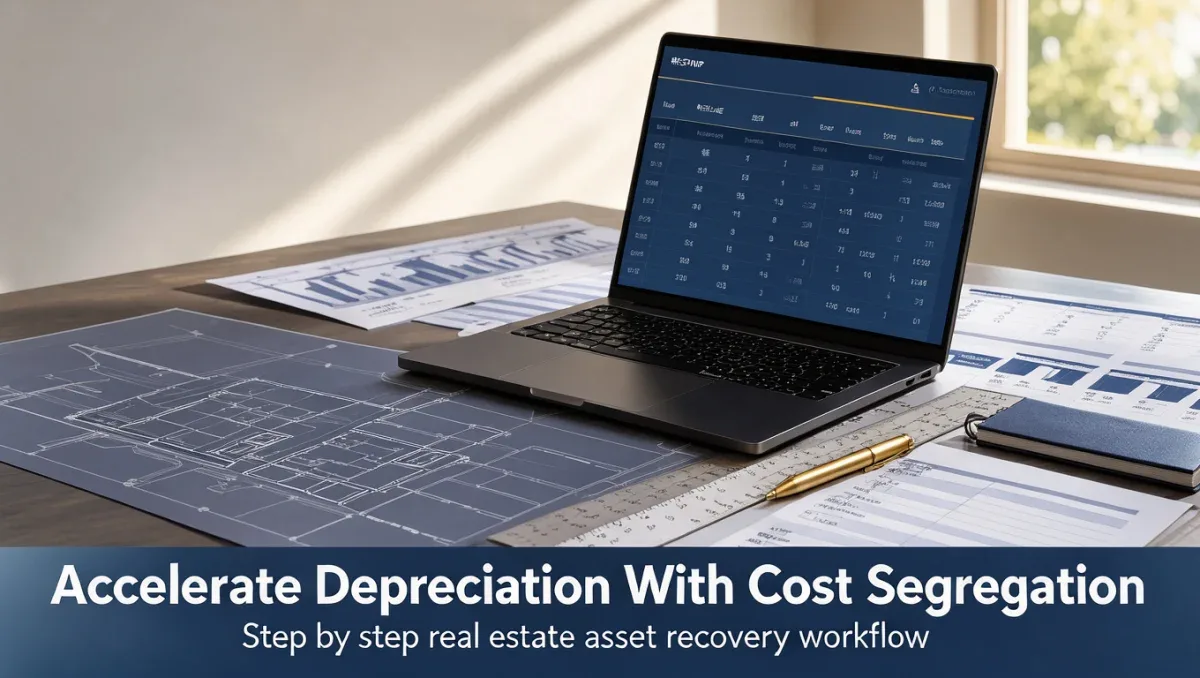
How to accelerate depR.Eciation with R.E cost seg begins with understanding how property assets divide into distinct recovery periods under federal tax rules. Commercial and residential real estate assets traditionally follow long recovery schedules, but engineering-based segregation studies reclassify specific components into shorter personal property categories. At Trust Reviews X, we analyze financial tools and accounting workflows to help operators organize their documentation systematically.
Property owners use specialized asset management tools and tax preparation platforms to track components such as specialty lighting, decorative finishes, dedicated electrical connections, and land improvements. Preparing your property records thoroughly ensures your tax professional can implement depreciation adjustments without regulatory friction. Navigating real estate asset recovery requires coordinated planning across your entire Accounting tech stack.
Quick answer: Learn how to accelerate depR.Eciation with R.E cost seg by gathering construction ledgers, commissioning an engineering-based asset study, allocating components into shorter recovery schedules, and importing categorized asset tables into your accounting software. Always review the final reclassification schedule with a certified tax accountant before filing returns.
| Evaluation Factor | Details |
|---|---|
| Who this guide is for | Commercial real estate owners, multi-family investors, and tax accountants seeking structured workflows for asset depreciation. |
| What you need before starting | Closing statements, architectural blueprints, contractor payment applications, detailed asset ledgers, and property records. |
| What you will have at the end | A verified component breakdown schedule ready for entry into fixed asset accounting software and tax reporting forms. |
1. How Trustreviewsx Put This Guide Together
This guide combines what the software covered here is built to do with the Trustreviewsx buying framework, so you can make the decision that fits your business. Plans, prices and limits change often, so we point out what to confirm on the official website before you buy. This article was researched and drafted with the help of AI tools, then reviewed and edited by the Trustreviewsx Editorial Team.
2. Before you start
Proper preparation prevents delays and minimizes scrutiny from revenue agencies during asset reclassification. Compiling thorough records beforehand ensures that cost segregation engineers and software systems process asset data without missing eligible components.
- Acquisition closing statements that show purchase price allocations between land and improvements.
- Itemized contractor payment ledgers, invoices, and architectural drawings for recently constructed or renovated spaces.
- Current fixed asset schedules exported from your business accounting platform.
- Written confirmation from your licensed tax advisor regarding passive activity loss limitations.
3. Step-by-step workflow

Executing an accelerated depreciation workflow requires coordination between physical property analysis and software ledger adjustments. Follow these structured steps to manage the transition smoothly.
- Determine eligibility and property scope. Verify that the commercial building, residential rental, or leasehold renovation was acquired, built, or renovated in a tax year that remains open or eligible for adjustment. Confirm your property type on the official tax authority guidance pages.
- Engage a qualified engineering or cost segregation provider. A defensible study relies on recognized engineering methods rather than basic estimation formulas. Work with certified specialists who document structural versus personal components directly from site inspections or architectural blueprints.
- Isolate personal property and land improvements. Separate specific building elements into shorter recovery categories such as land improvements, personal property items, and specialized electrical systems. Export these categorized schedules into spreadsheet or fixed asset tracking tools.
- Record asset schedules in your accounting system. Enter each reclassified component as an independent sub-asset with its designated recovery period and acquisition date. Check your software documentation to ensure appropriate depreciation methods match current tax regulations.
- Coordinate tax return reporting with your certified accountant. File the appropriate asset adjustment schedules or accounting method change forms alongside annual business filings. Retain complete study reports and source invoices in your digital compliance archive.
4. Your first 30 days

Establishing consistent recordkeeping habits ensures your financial records reflect accelerated asset schedules accurately throughout the tax year.
| Week | Routine to build | Why it matters |
|---|---|---|
| Week 1 | Collect all property invoices and blueprints | Eliminates missing documentation before engineering review begins. |
| Week 2 | Coordinate with engineering and tax professionals | Clarifies timeline expectations and confirms asset allocation methodology. |
| Week 3 | Configure sub-asset categories in fixed asset tools | Ensures ledger architecture accurately mirrors the completed engineering study. |
| Week 4 | Perform a balance reconciliation across all sub-assets | Confirms total reallocated components match the initial purchase basis precisely. |
5. Common mistakes and how to avoid them
Navigating accelerated depreciation involves strict legal guidelines and documentation standards. Avoiding typical operational missteps protects your organization during formal audits.
- Failing to separate non-depreciable land value from structural basis before calculating personal property splits.
- Relying on generic rule-of-thumb percentages instead of detailed engineering analyses supported by receipts.
- Overlooking asset retirement tracking when replacing segregated fixtures during future property renovations.
- Neglecting to consult a CPA regarding potential recapture liabilities when selling the real estate asset later.
6. When to ask for help
While software tools automate calculations, certain technical indicators show when external expertise is necessary. Consider bringing in specialized advisory support under the following conditions.
- Your property involves complex tenant improvement allowances or mixed commercial and residential usages.
- You are claiming depreciation adjustments for prior tax years requiring formal accounting method change documents.
- Your business structure involves multi-tiered partnerships with varying basis limits and passive investor allocations.
- Your existing accounting software exhibits reconciliation discrepancies between general ledger balances and fixed asset sub-ledgers.
7. Frequently asked questions
7.1. How much time does completing a cost segregation workflow take?
A standard engineering study and software entry process generally takes several weeks from initial document collection to final tax preparation. Complex properties with incomplete records can require additional time for site visits and invoice reconstruction. Plan early in the fiscal year to avoid tax season deadlines.
7.2. Can property owners conduct cost segregation without an engineering firm?
Self-directed calculations carry significant regulatory risk because tax authorities expect documented engineering methodology. While small residential properties sometimes use automated modeling tools, commercial or complex assets require formal reports from accredited professionals to withstand formal examinations.
7.3. What happens if a segregated component is replaced early?
When an identified sub-asset is discarded or replaced during a remodel, accounting standards allow owners to claim a partial asset disposition. Removing the remaining basis of the retired component prevents continuing depreciation on assets no longer in service.
7.4. Does accelerating depreciation create ongoing tax liabilities upon sale?
Depreciation deductions reduce the property tax basis, which can trigger depreciation recapture upon selling the asset. Property investors often plan around this mechanism using like-kind exchanges or long-term hold strategies discussed with their tax advisors.
8. Next steps
Taking prompt action organizes your asset records and prepares your business for annual financial reporting. Focus on these practical measures to advance your asset workflow.
- Gather your building purchase closing statement and historical capital improvement receipts.
- Schedule a planning conversation with your certified public accountant regarding accelerated asset deductions.
- Review the fixed asset tracking capabilities in your current business accounting platform.
- Archive all engineering blueprints and contractor itemizations in secure cloud storage.
Have a question about choosing software? Send it to the Trustreviewsx team through our contact page or follow Trustreviewsx on LinkedIn for new reviews and comparisons.